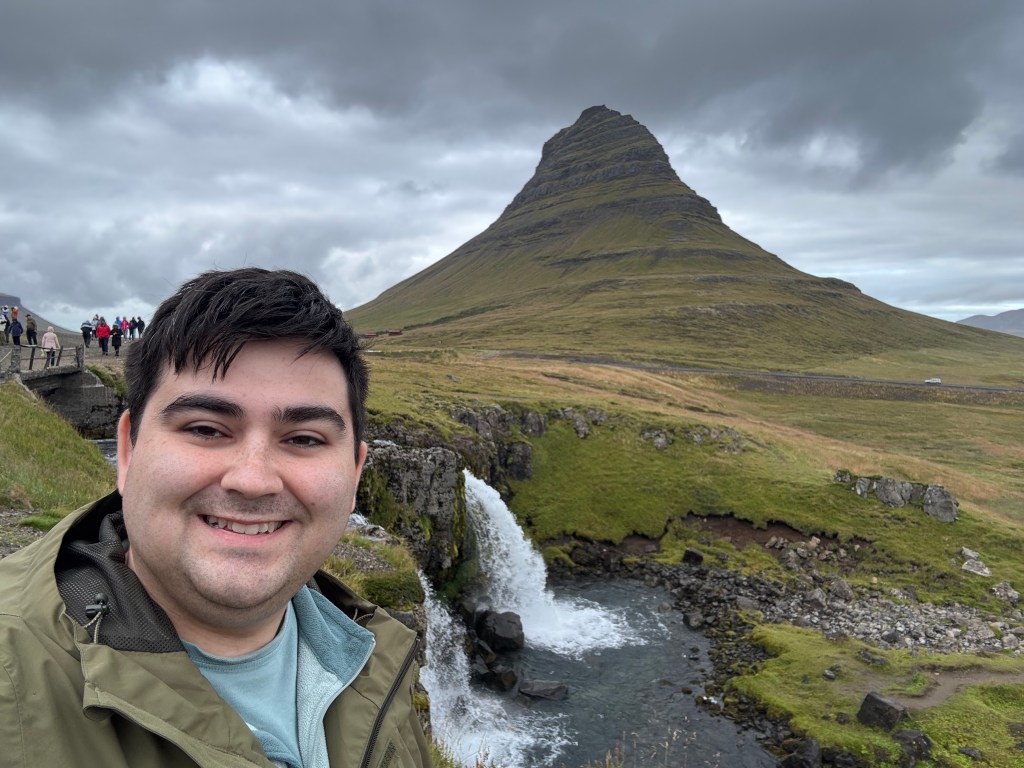
Snæfellsnes, Silver Circle & the Lava Cave with NiceTravel
On my first two days in Iceland, I joined the 2-Day West Coast Tour with NiceTravel. The company was founded in 2012 by three Icelandic families, with the goal of helping visitors enjoy a NICE and relaxing experience while discovering Iceland’s raw beauty. This tour combined the Silver Circle and the Snæfellsnes Peninsula, with an overnight stay in Borgarnes.
Day 1 – Silver Circle & The Lava Cave
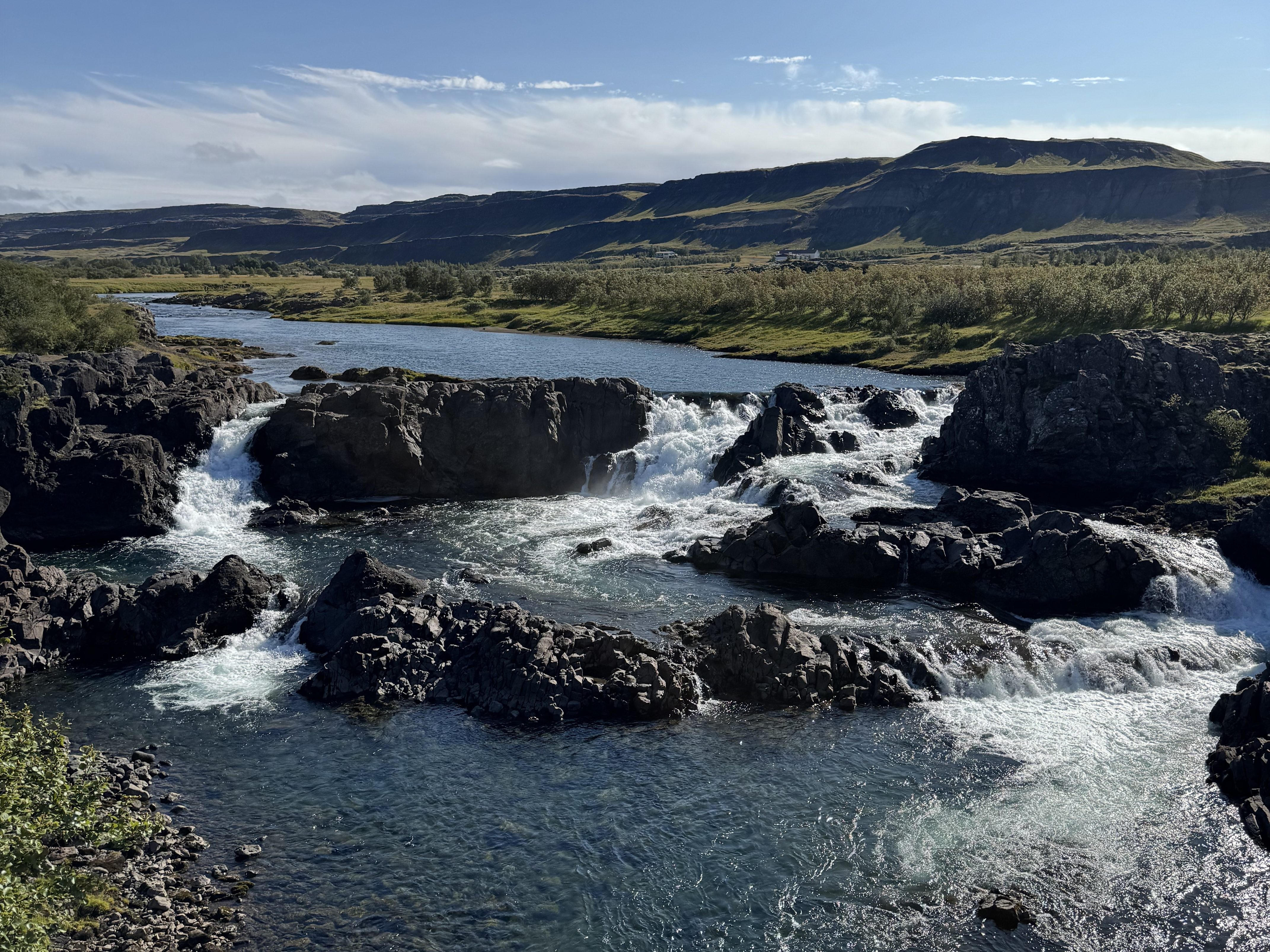
Glanni Waterfall
Our first stop was Glanni, a waterfall on the Norðura River near Bifröst. It cascades through the Grábrók lava field, created over 3,000 years ago by a fissure eruption. Its name can mean “the Daring One” or “the Reckless.” According to folklore, Glanni is home to both trolls and the hidden people (Huldufólk), adding mystery to its beauty.
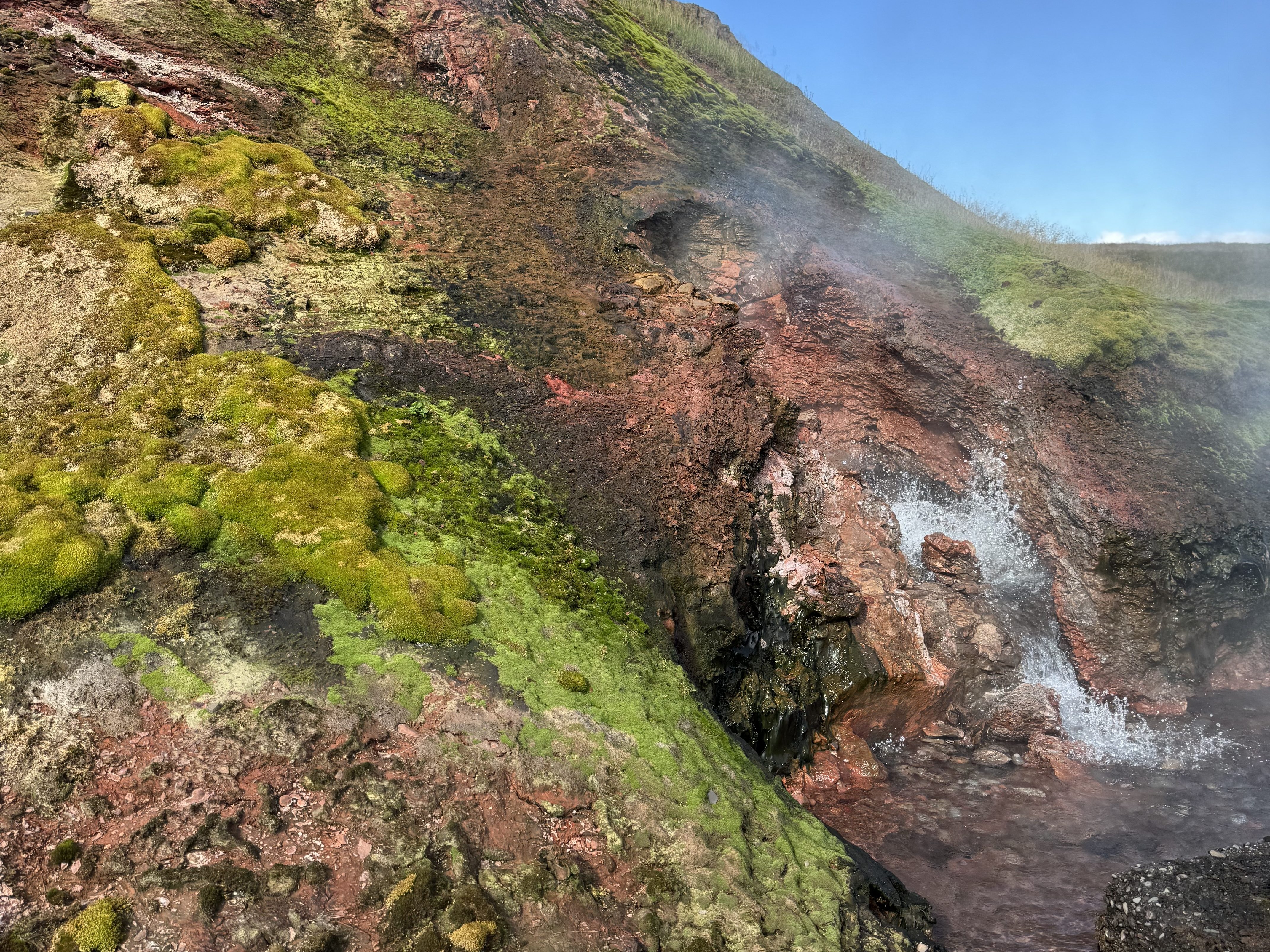
Deildartunguhver Hot Spring
At Deildartunguhver, we witnessed Europe’s most powerful hot spring, gushing 180 liters (50 gallons) per second at 97°C (200°F). This single spring provides central heating for communities within 64 km, including Borgarnes and Akranes. The sight of boiling water surging out of an algae-covered rock face was both surreal and humbling.

Sturlureykir Horse Farm
This was one of my favorite stops. The same family has run this horse farm for over 150 years, making it one of the oldest continuously family-run Icelandic horse breeding farms in the world. About 60 Icelandic horses live here, and in the stable we were able to pet and feed them.

Fun Fact: Icelandic horses can perform all the standard gaits (walk, trot, canter), but also two unique ones: the tölt, a smooth four-beat gait, and the skeið (flying pace), known for incredible speed. These developed from a genetic mutation and are unique to the breed.
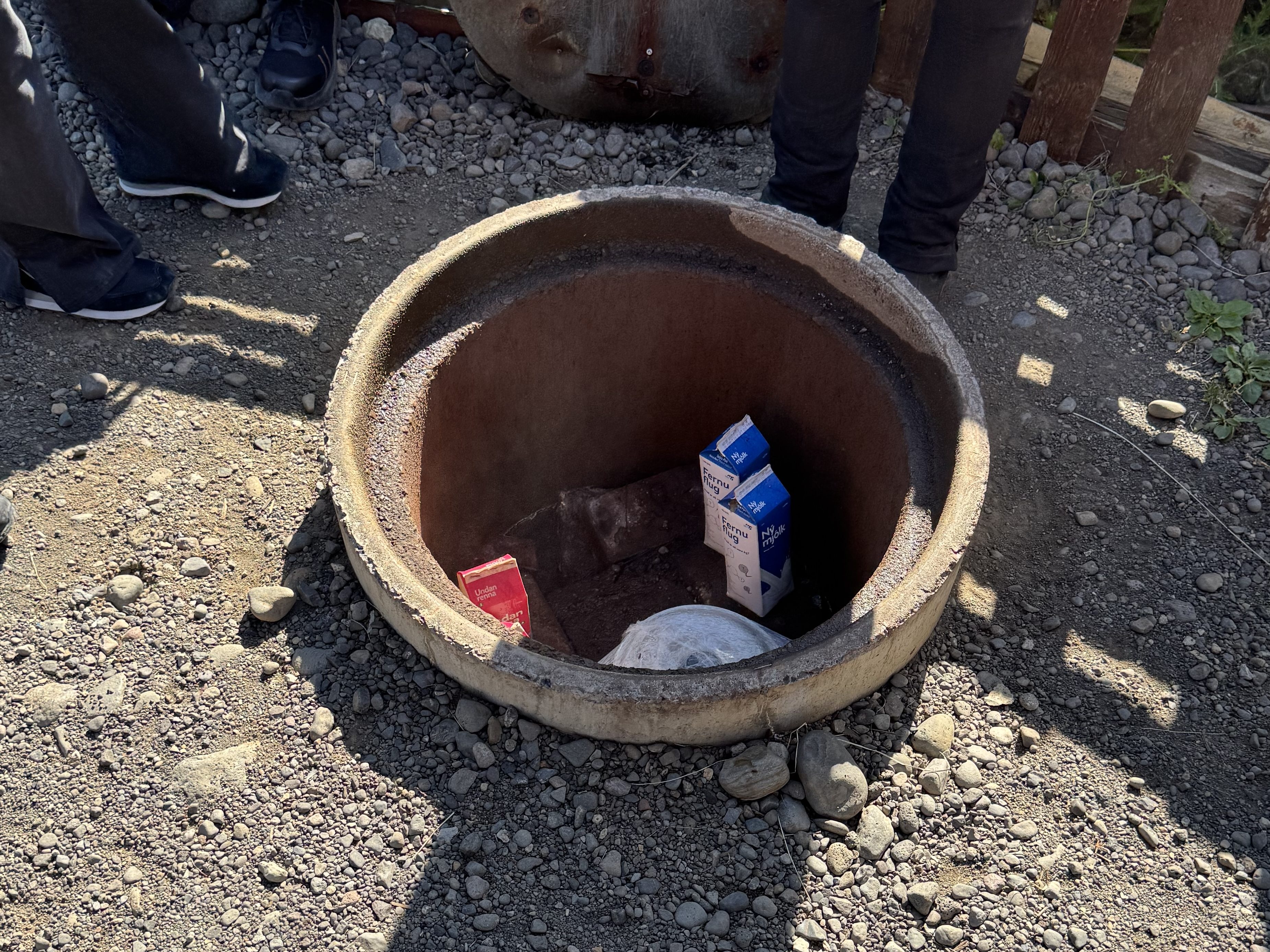
Sturlureykir is also famous for geothermal innovation. In 1908, the farm installed Europe’s first geothermal central heating system, using a natural hot water spring that still pumps 4 liters per second at over 100°C. Traditionally, this spring also served as a natural oven. Here we sampled delicious Icelandic rye bread baked underground, using a recipe passed down for more than a century.
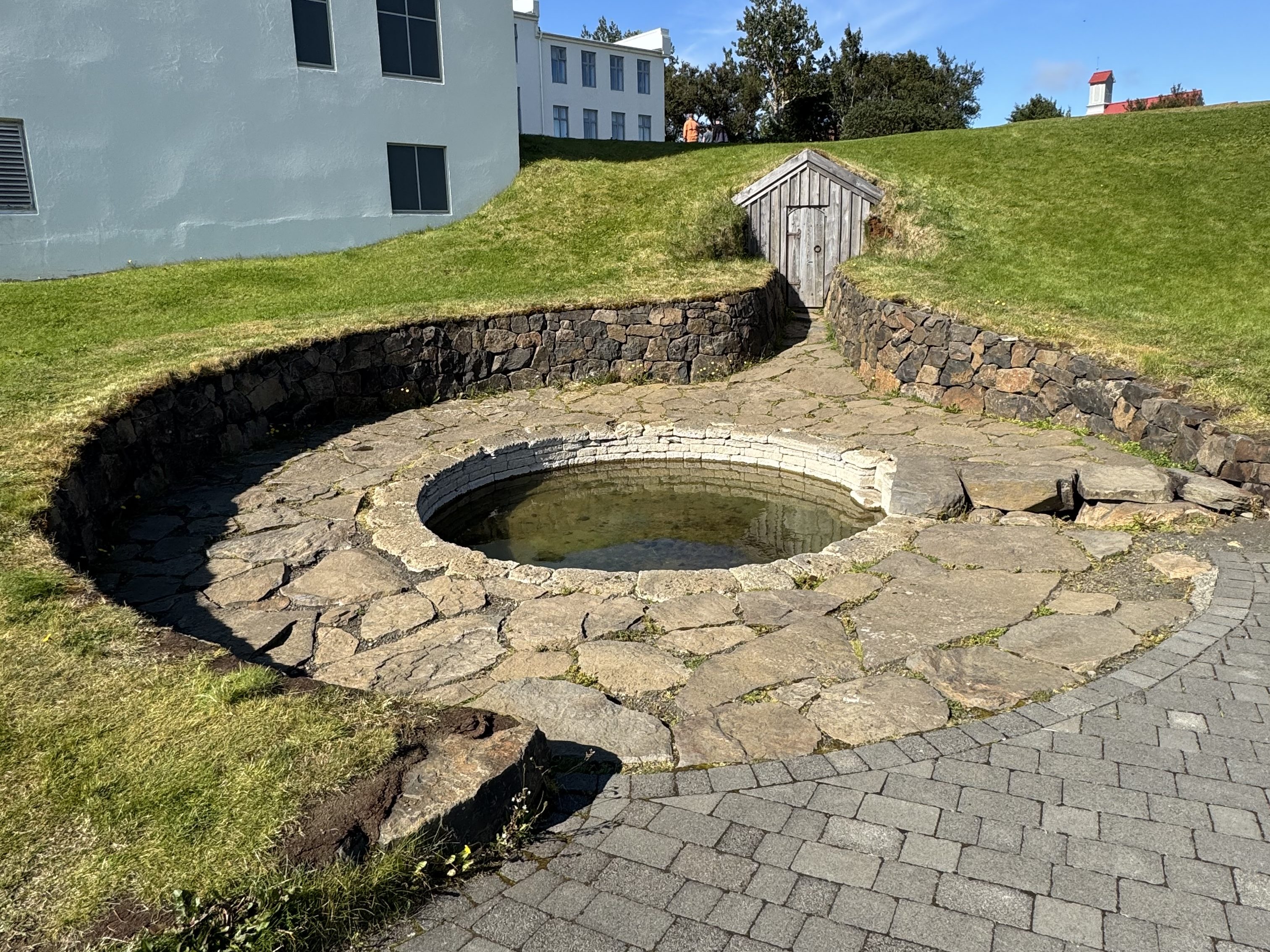
Snorralaug (Snorri’s Pool)
In Reykholt, we visited Snorralaug, one of Iceland’s oldest geothermal pools still visible today. It was used by the 13th-century poet, chieftain, and historian Snorri Sturluson, who wrote sagas and the Prose Edda. Locals bathed here for centuries, but bathing has been banned since 1817, when the pool was officially protected as a heritage site.
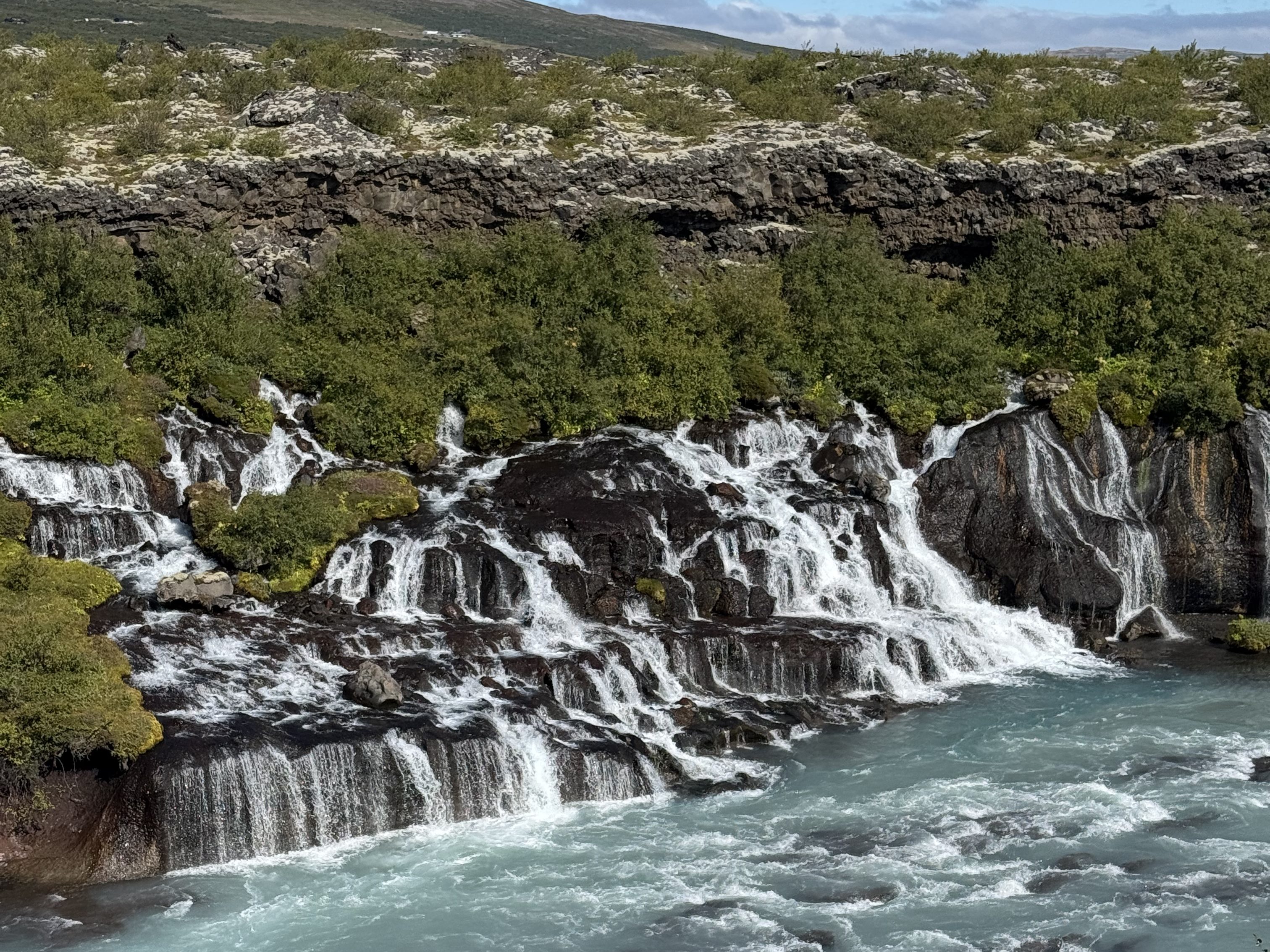
Hraunfossar & Barnafoss Waterfalls
Hraunfossar, or “Lava Falls,” quickly became my favorite in Iceland. Unlike most waterfalls, it doesn’t fall from cliffs but seeps through porous lava rock. The water, coming from the Langjökull Glacier, flows nearly 1 km underground through the Hallmundarhraun lava field before cascading into the Hvítá River.

Just upstream is Barnafoss, “the Waterfall of the Children.” Its story is tragic: two boys once tried to cross a stone bridge over the torrent to follow their parents to church, but grew dizzy, fell, and drowned. Some versions say their mother ordered the bridge destroyed in grief; others tell that she cursed it with runes so no one could cross safely again. Either way, the bridge is long gone, and the rapids remain a powerful reminder of nature’s force.
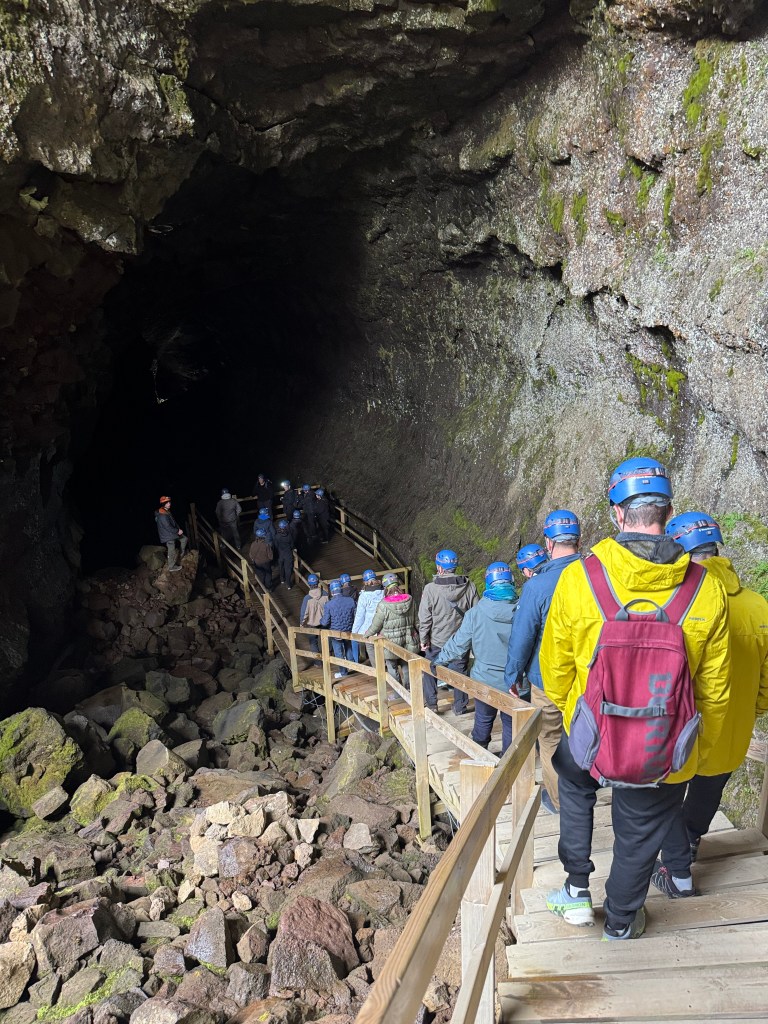
Viðgelmir Lava Cave
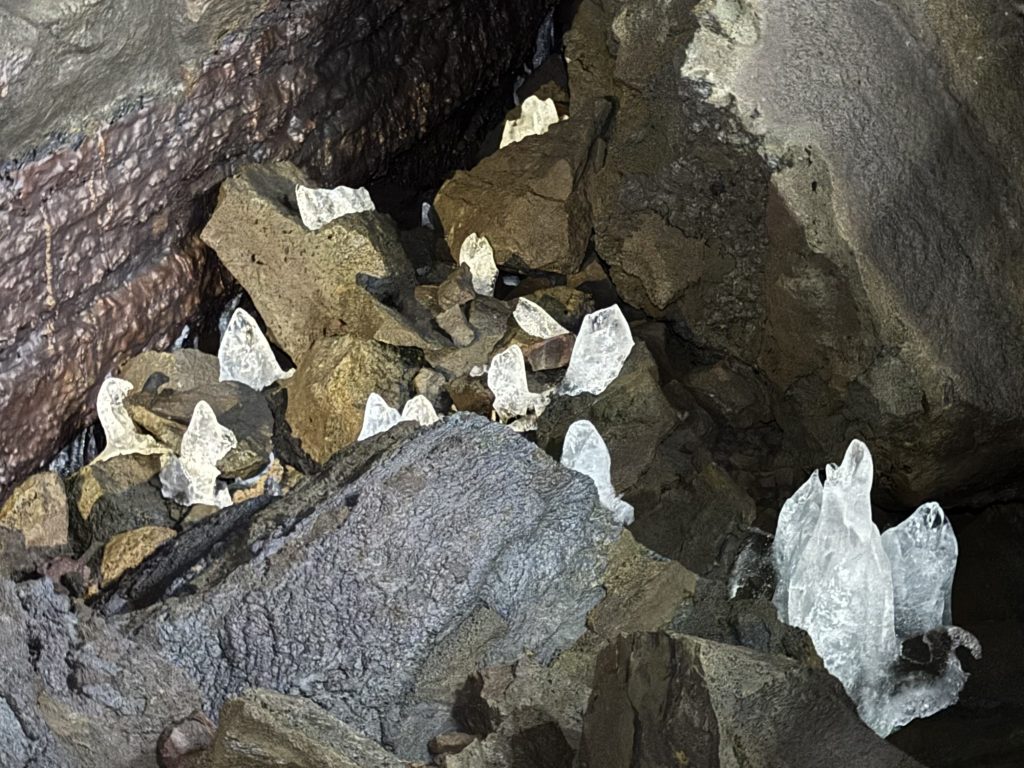
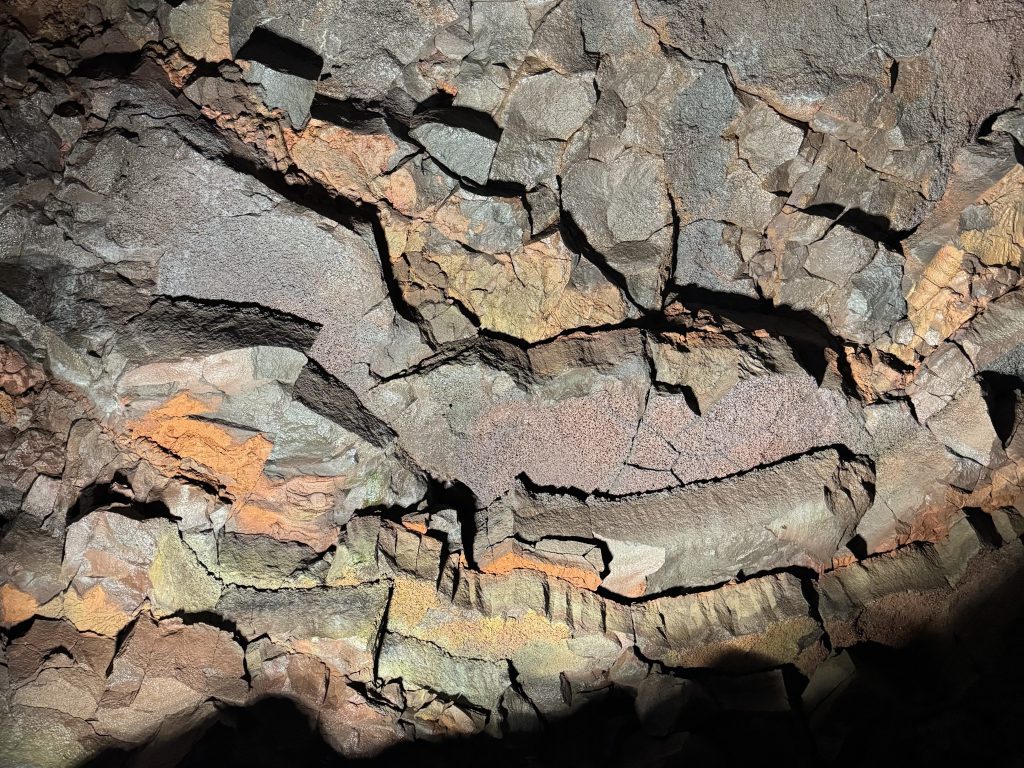
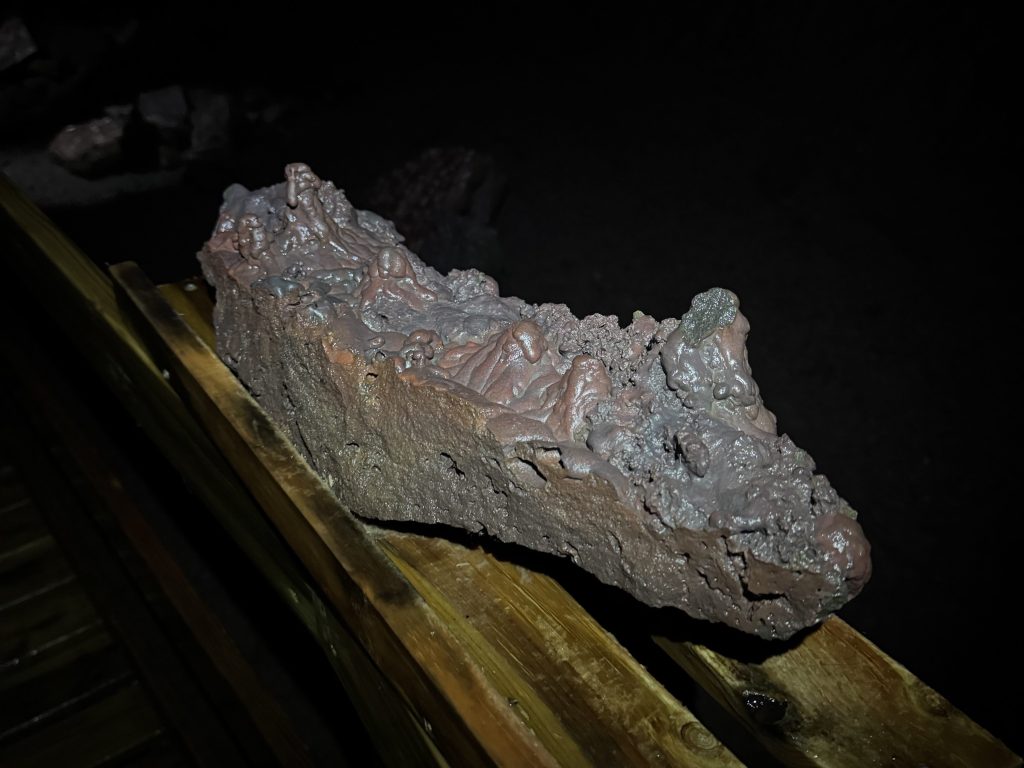
Our last stop was Viðgelmir, Iceland’s largest lava tube and among the largest in the world. It stretches 1,585 meters (5,200 feet) and formed over a thousand years ago during the Hallmundarhraun eruption. Inside, we marveled at colorful lava formations, crystals, and striking stalactites and stalagmites.

That evening, we stayed in Borgarnes, the “capital of West Iceland.” After such a full day, I mostly rested, but it’s a pleasant town overlooking Borgarfjörður Bay.
Day 2 – Snæfellsnes Peninsula

Ytri-Tunga Beach
We began at Ytri-Tunga, often called the “seal resort.” Sure enough, we spotted several seals basking on the rocks and popping their heads above the waves.
Búðakirkja (Black Church of Búðir)
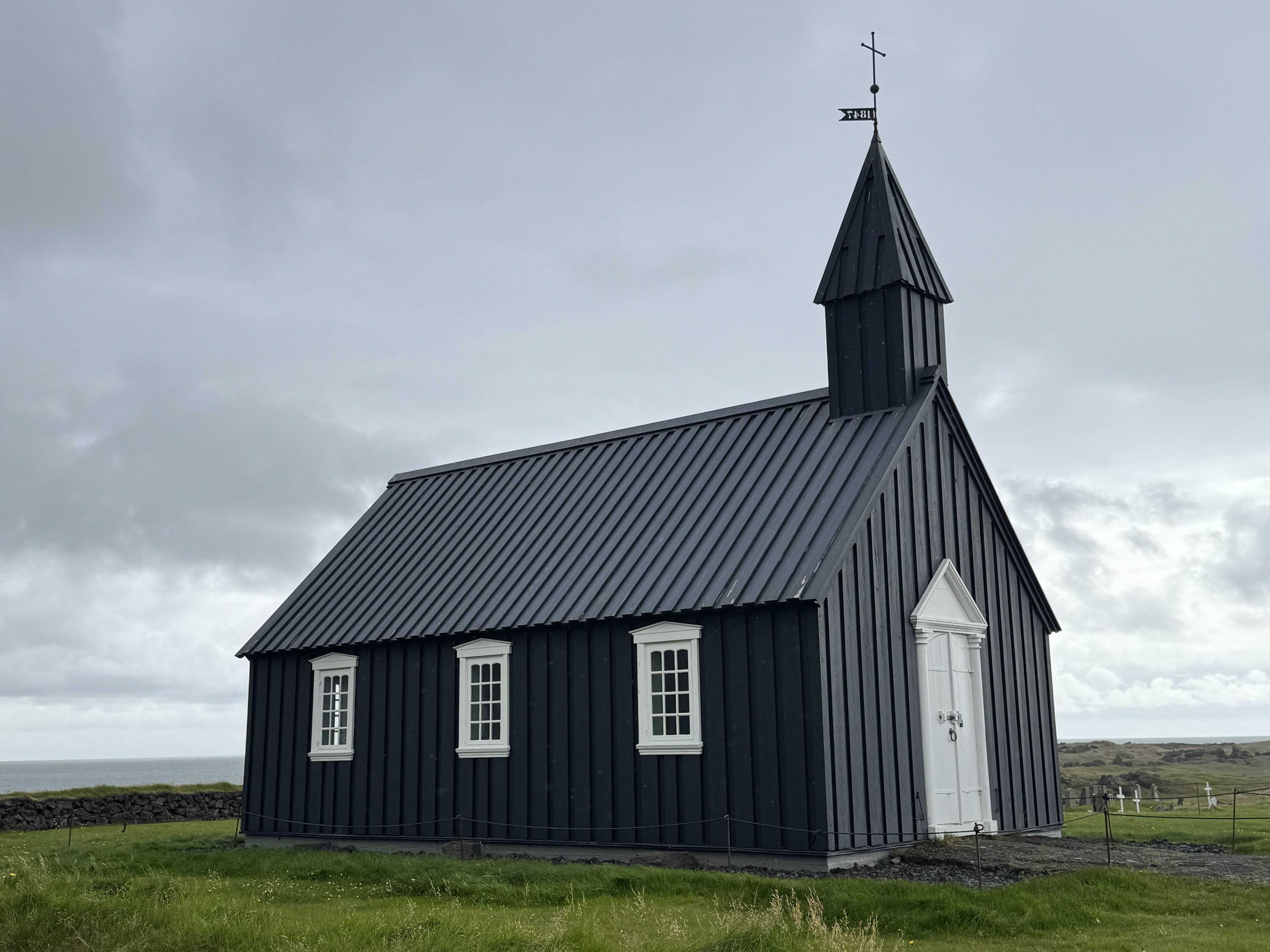
Next was Búðakirkja, a small black wooden church first built in the 1700s and reconstructed in 1848 after the original turf version fell into ruin. Its pitch-coated wood, used for weatherproofing, gives it the dramatic black appearance that contrasts beautifully with the surrounding lava fields and mossy landscape. It’s one of the most photographed churches in Iceland.
Arnarstapi Village
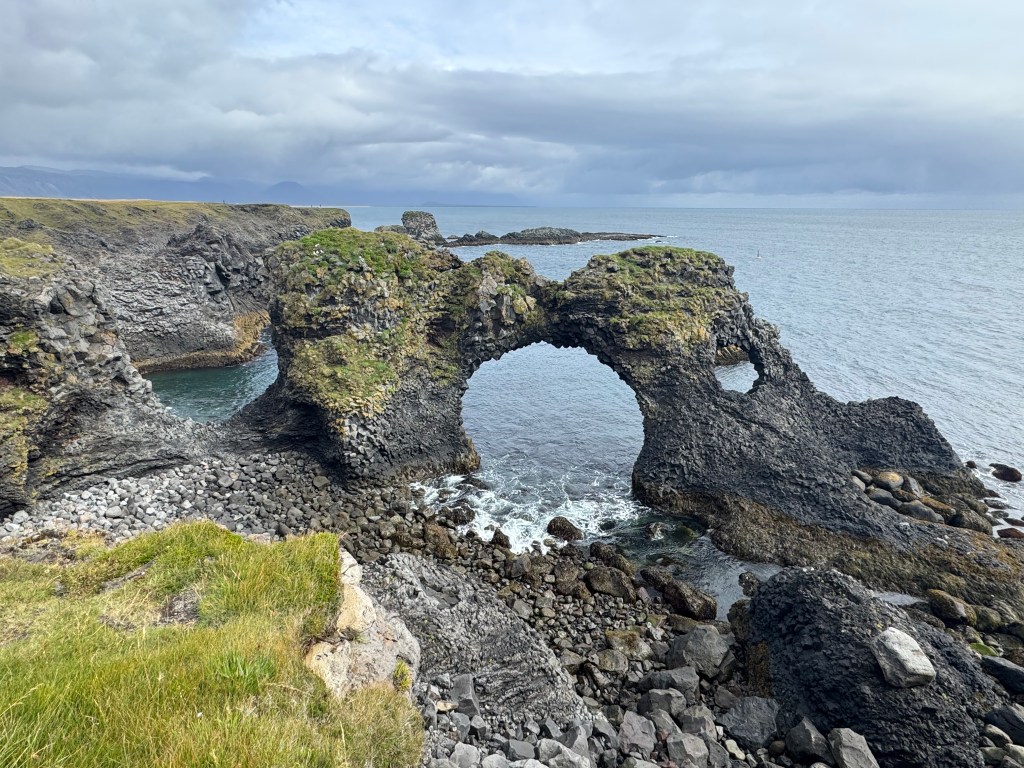
Arnarstapi, once a fishing hub, is now a quiet tourist spot with spectacular cliffs. Formed by cooling lava and centuries of Atlantic waves, the cliffs are home to bird colonies and striking rock formations like Gatklettur, the “Rock with a Hole.”

Lóndrangar Cliffs
A short drive away, the Lóndrangar basalt towers rise dramatically from the sea. These cliffs are remnants of a volcanic crater and are now nesting grounds for seabirds. Puffins had already left for the season, but we saw other seabirds clinging to the rugged rocks.

Djúpalónssandur Beach
This black pebble beach is covered in smooth basalt stones, shaped by the waves. On the shore lie the rusting remains of the British trawler Epine GY7, which was wrecked here on March 13, 1948. Fourteen men died, while five survived after local rescuers braved freezing waves for hours to send a line to the stranded ship.
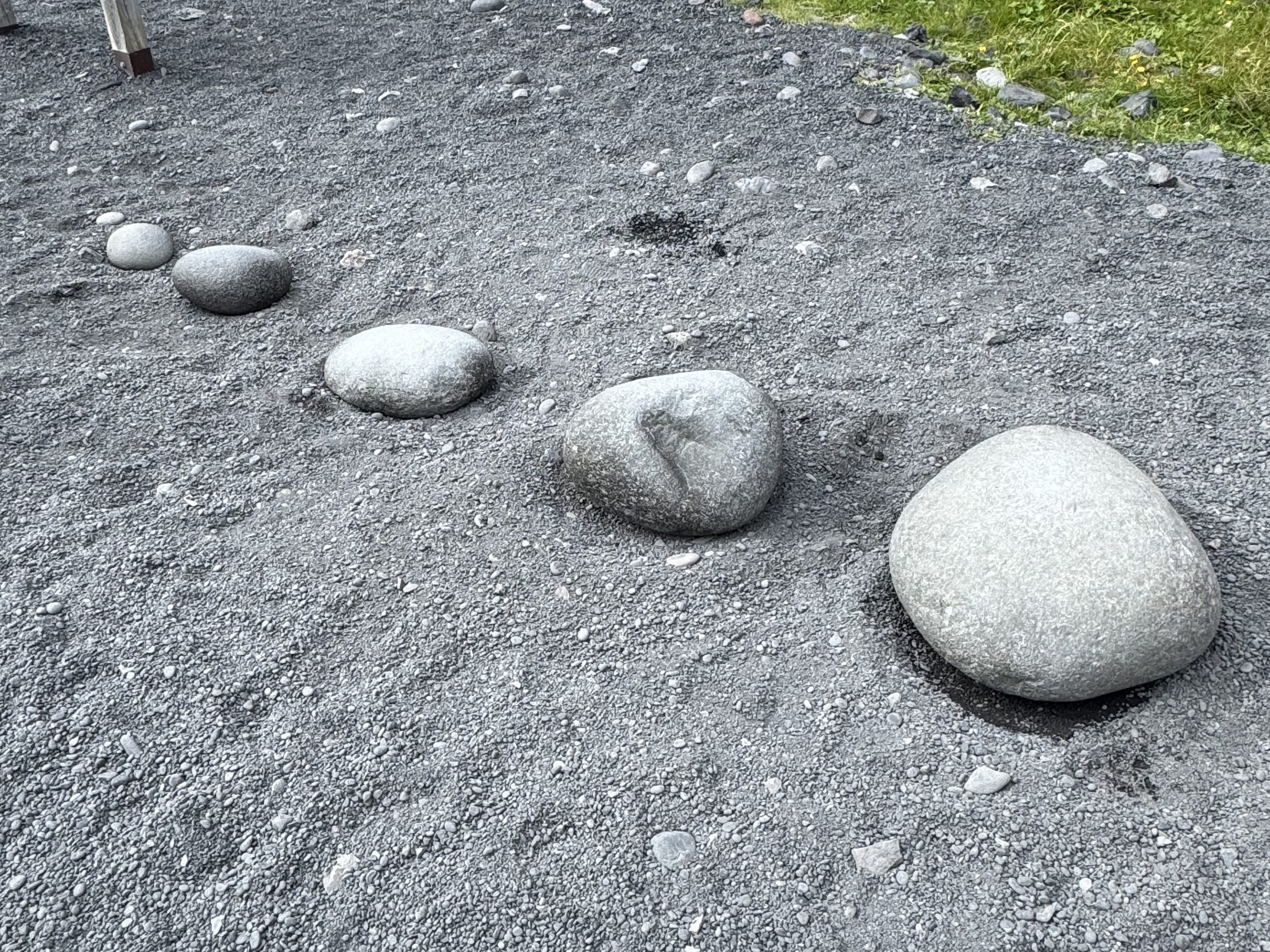
On the beach, you’ll also find the four traditional “lifting stones” once used by fishermen to test their strength:
- Fullsterkur (“full strength”) – 154 kg
- Hálfsterkur (“half strength”) – 100 kg
- Hálfdrættingur (“weakling”) – 54 kg
- Amlóði (“useless”) – 23 kg
Only those who could lift at least Hálfdrættingur were considered fit for sea.
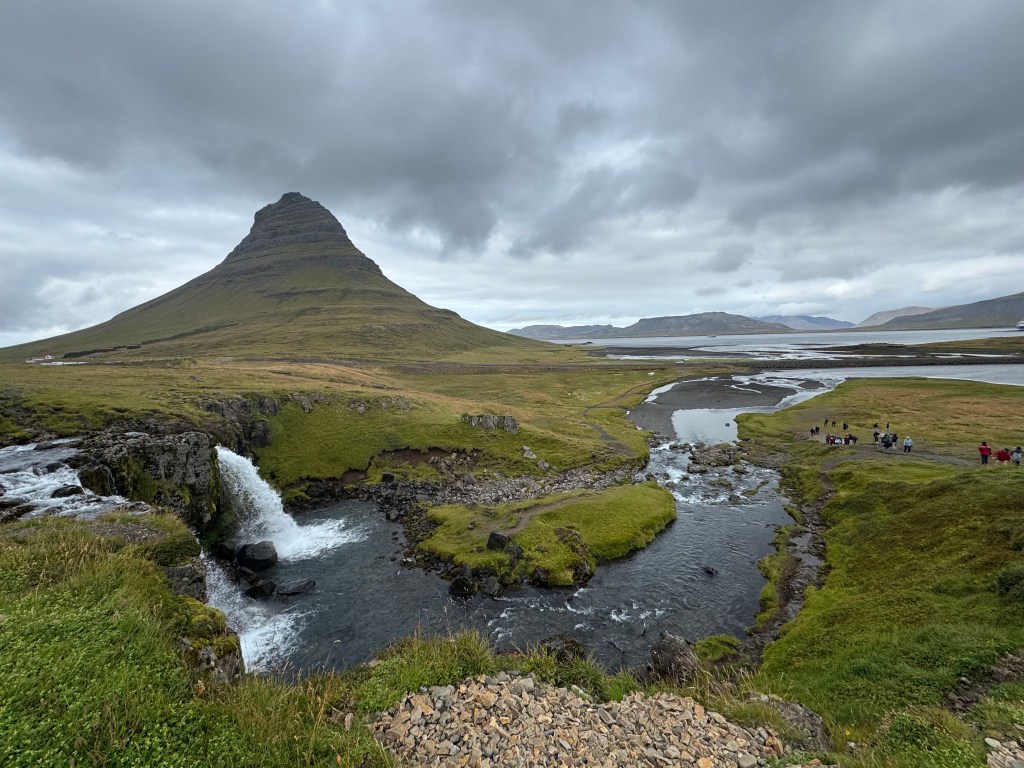
Kirkjufell (Church Mountain)
Our final stop was the most photographed mountain in Iceland: Kirkjufell. Rising 463 meters (1,519 feet), its arrowhead shape and nearby Kirkjufellsfoss waterfall make it iconic. It was also featured as “Arrowhead Mountain” in Game of Thrones.
Final Thoughts
In just two days, this tour covered an incredible range of Iceland’s wonders:
- Geology: lava caves, basalt cliffs, black pebble beaches
- Water: waterfalls, hot springs, glacial rivers
- Wildlife: seals, seabirds, and the sturdy Icelandic horse
- Culture & History: sagas, folklore, geothermal innovation, shipwreck stories
- Landmarks: Kirkjufell, Búðakirkja, Hraunfossar
The pacing was excellent with enough time to take in each site without feeling rushed. Our guide, Walter, made the trip even better with his mix of knowledge, humor, and storytelling.
I would definitely recommend this 2-Day West Coast Iceland Tour with NiceTravel to anyone who wants to see Iceland’s natural beauty, folklore, and history packed into an unforgettable adventure.
Practical Info & Tips
📍 Starting Point: Reykjavík – tours typically depart early in the morning.
⏳ Duration: 2 days (with overnight accommodation in Borgarnes included).
🚐 Group Size: Small groups (minibus), which makes the trip more personal.
🍴 Meals: Breakfast on Day 2 is included, but other meals are on your own. You’ll have chances to stop at gas stations, cafés, and restaurants.
What to Bring:
- Layered clothing: Weather on the west coast can change quickly. Bring a warm base layer, waterproof jacket, and windproof outer layer.
- Good hiking shoes/boots: Many stops involve uneven lava fields, pebble beaches, or wet ground.
- Refillable water bottle: Iceland’s tap water is some of the cleanest in the world.
- Snacks: While there are food stops, it’s handy to keep some energy bars or fruit with you.
- Camera/phone with extra battery: Between waterfalls, cliffs, and Kirkjufell, you’ll be snapping constantly.
Best Time to Go:
- Summer (June–August): Longer days, warmer weather, seals and puffins easier to spot.
- Winter (Nov–March): Shorter days, but you may get the bonus of Northern Lights in Borgarnes.
- Shoulder seasons (May, Sept–Oct): Fewer crowds, good balance of daylight and atmosphere.
Who This Tour Is Best For:
- Travelers with limited time who want to see a wide variety of Iceland’s landscapes in just two days.
- Those who enjoy a mix of nature, culture, and history (waterfalls, caves, folklore, horses, coastlines).
- Anyone who prefers a guided, small-group experience instead of driving themselves.


 Echoes of Ethan
Leave a comment