Nestled on Baffin Island at the northern end of Frobisher Bay near the Sylvia Grinnell River, Iqaluit is the capital of Nunavut, Canada’s youngest territory. The name “Iqaluit” means “place of many fish” in Inuktitut, a fitting tribute to the region’s rich natural resources and deep cultural ties to the land and sea. This guide will help you explore Iqaluit’s unique blend of Inuit culture, stunning landscapes, and vibrant community life.
How to Get to Iqaluit
Fly Canadian North, a 100% Inuit-owned airline offering a daily direct flight from Ottawa International Airport to Iqaluit. Additionally, they provide many regional connections within the territory and even a seasonal flight to Nuuk, Greenland.

Getting Around
Once you arrive, getting around Iqaluit is straightforward. Many hotels offer shuttle services from the airport (contact your hotel in advanced to arrange), or you can call Caribou Tuktu Cabs, which charges $9.25 per person for rides anywhere in the city. Keep in mind that it’s common for taxis to pick up additional passengers along the way. If the weather permits, Iqaluit is a very walkable city, and car rentals are also available at the airport for those who prefer more independence.
Where to Stay
For an authentic Inuit-owned accommodation, consider the Aqsarniit Hotel & Conference Centre. This hotel beautifully integrates Inuit culture into its design, featuring Inuit art, modern amenities, and a serene atmosphere inspired by the Arctic landscape. It’s the perfect place to immerse yourself in the warmth and hospitality of the Inuit.

What to Do
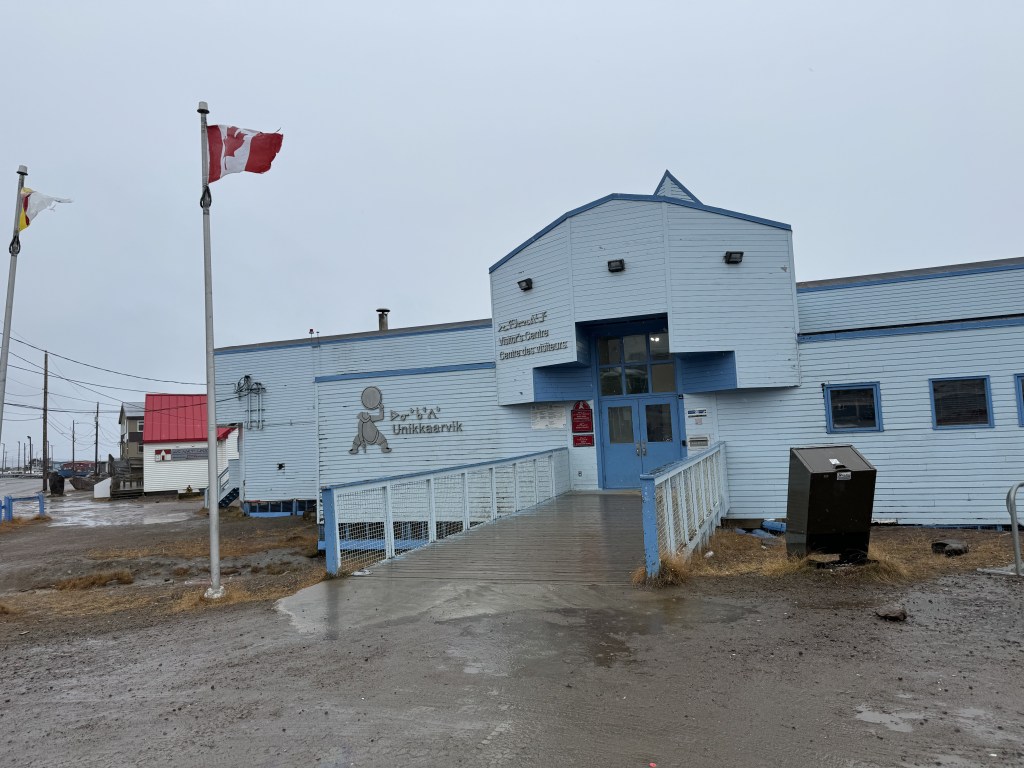
Unikkaarvik Visitor Centre
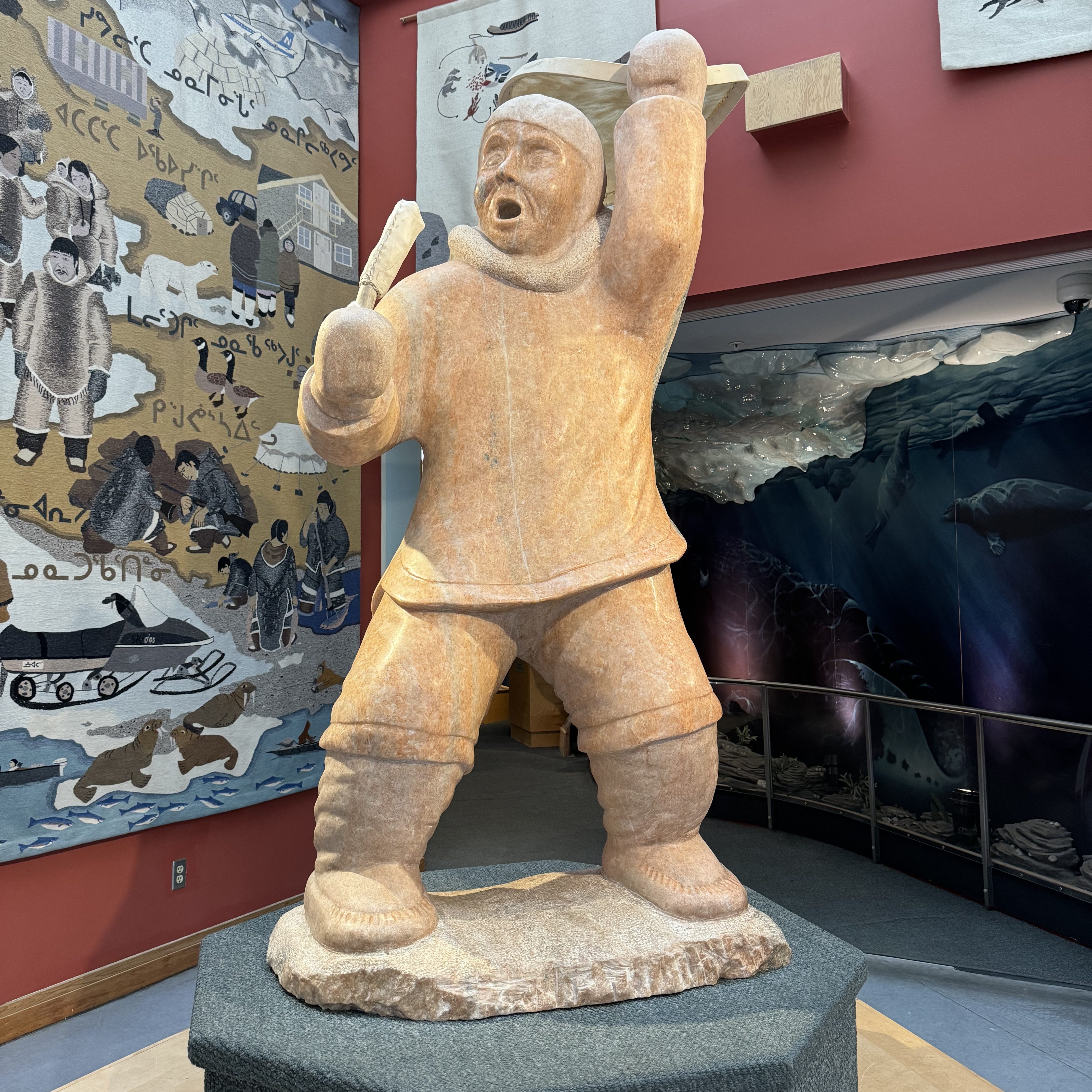
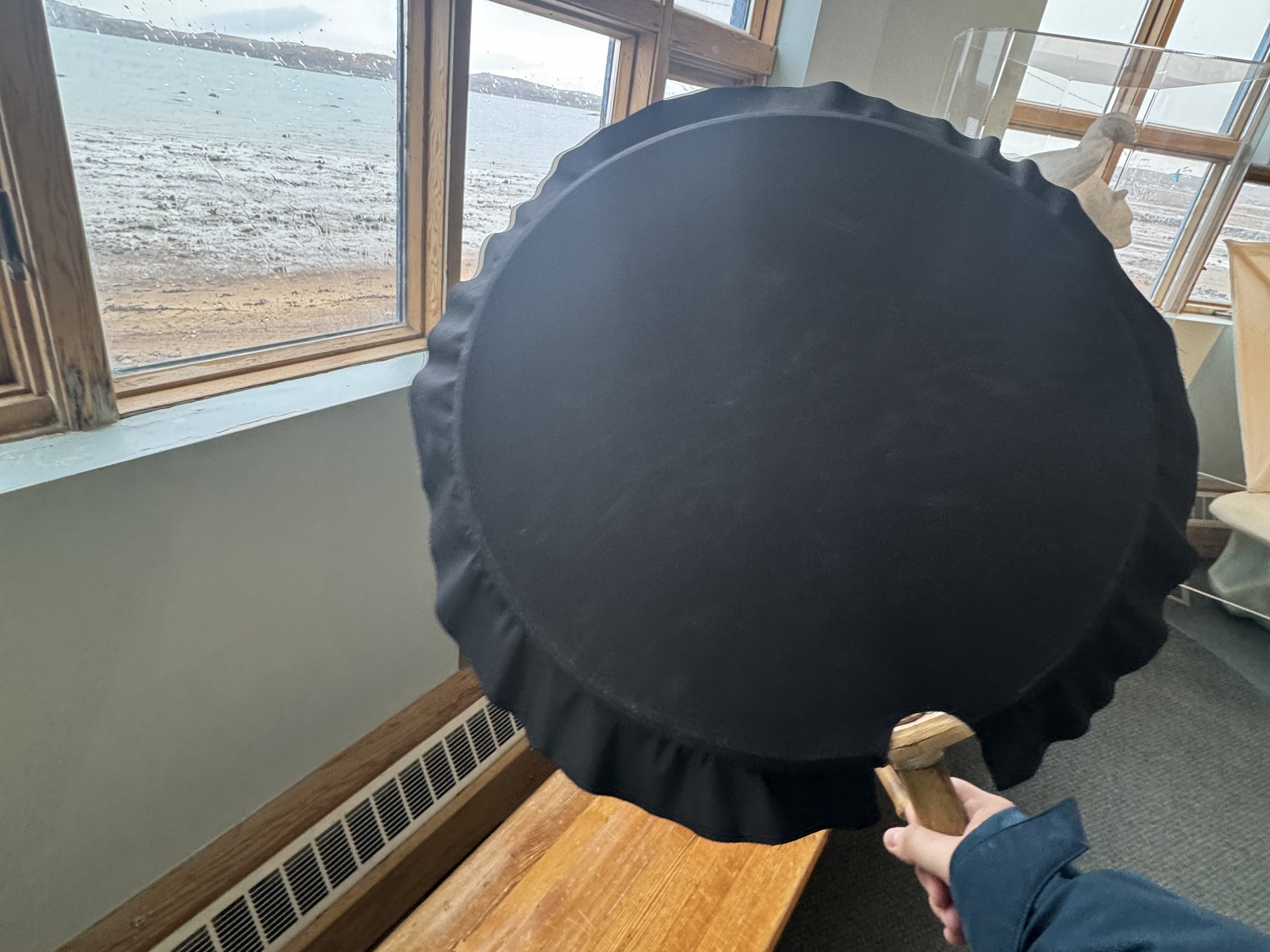
Start your journey at the Unikkaarvik Visitor Centre, where the knowledgeable staff can answer questions about travel, history, and culture, and help you book trips with local outfitters. The centre also features exhibits on Inuit life, seasonal activities, and Arctic wildlife, along with cultural programming like movie nights and workshops.


Nunatta Sunakkutaangit Museum
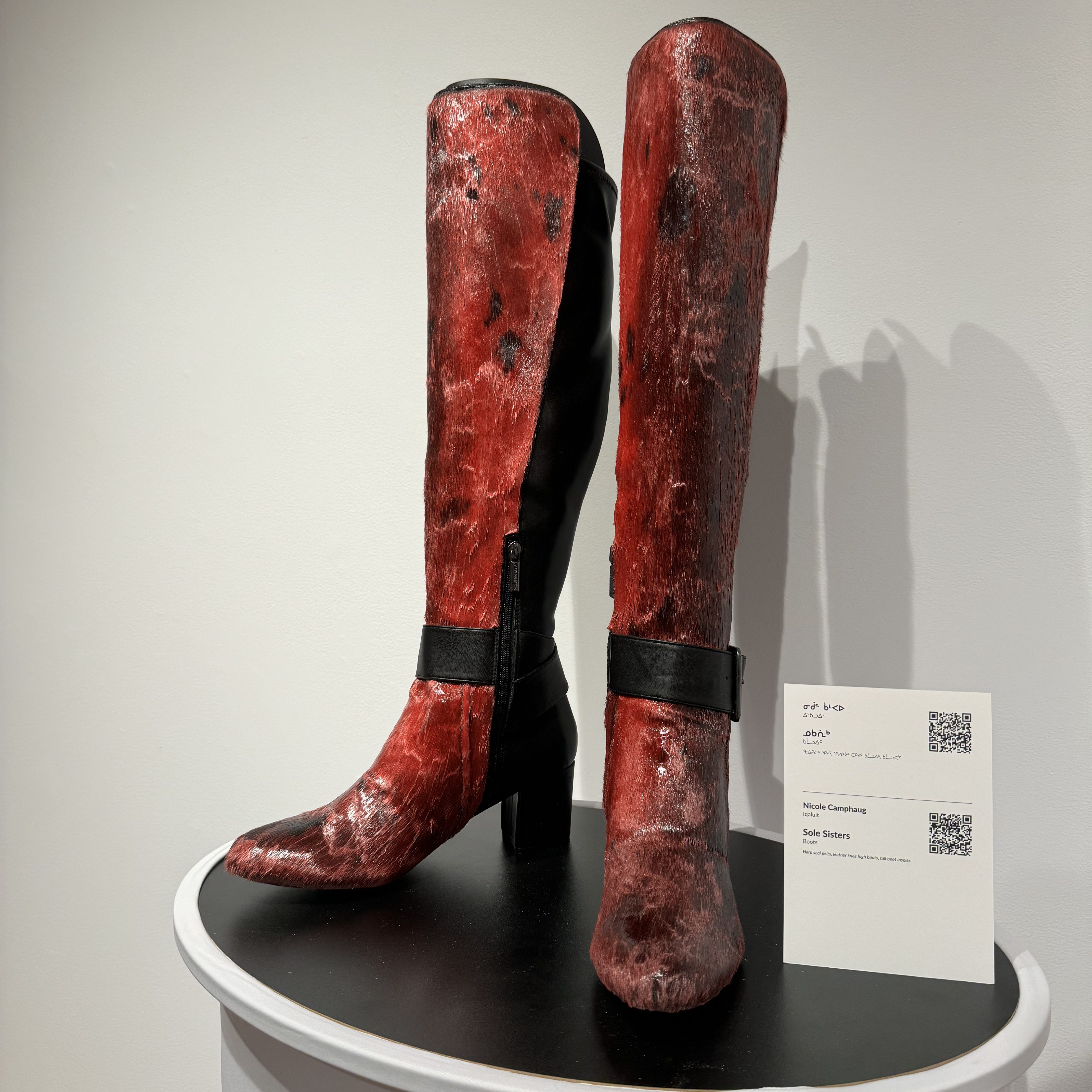
The museum is housed in a former Hudson Bay Company building, this museum showcases traditional Inuit tools, clothing, and artifacts. During my visit, I was particularly moved by RED (Remember-Educate-Dedicate), an art exhibit focusing on the remembrance, healing and empowerment of Murdered and Missing Indigenous Women and Girls (MMIWG) through the unique eye of Nunavut artists.



Legislative Assembly of Nunavut
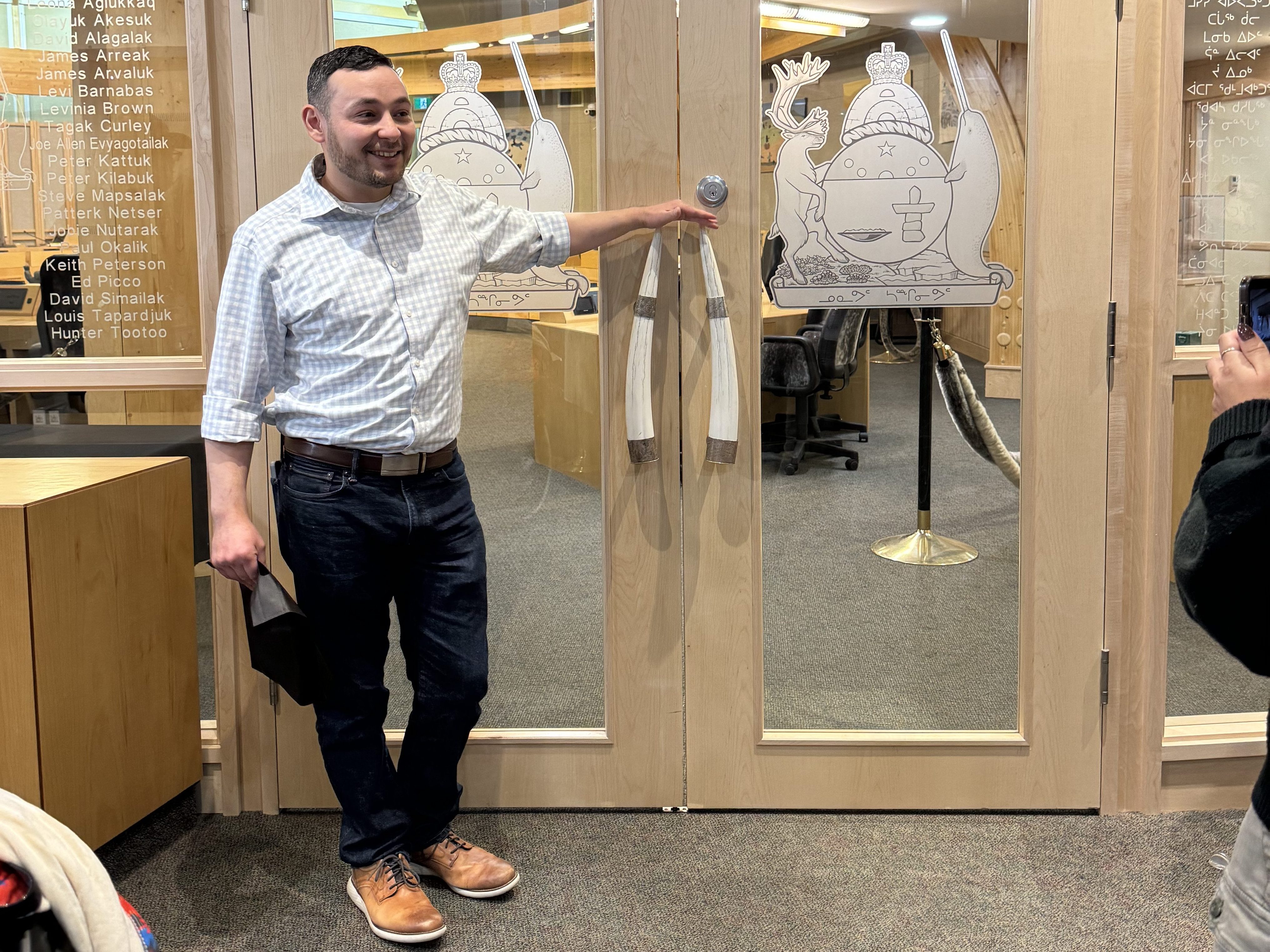
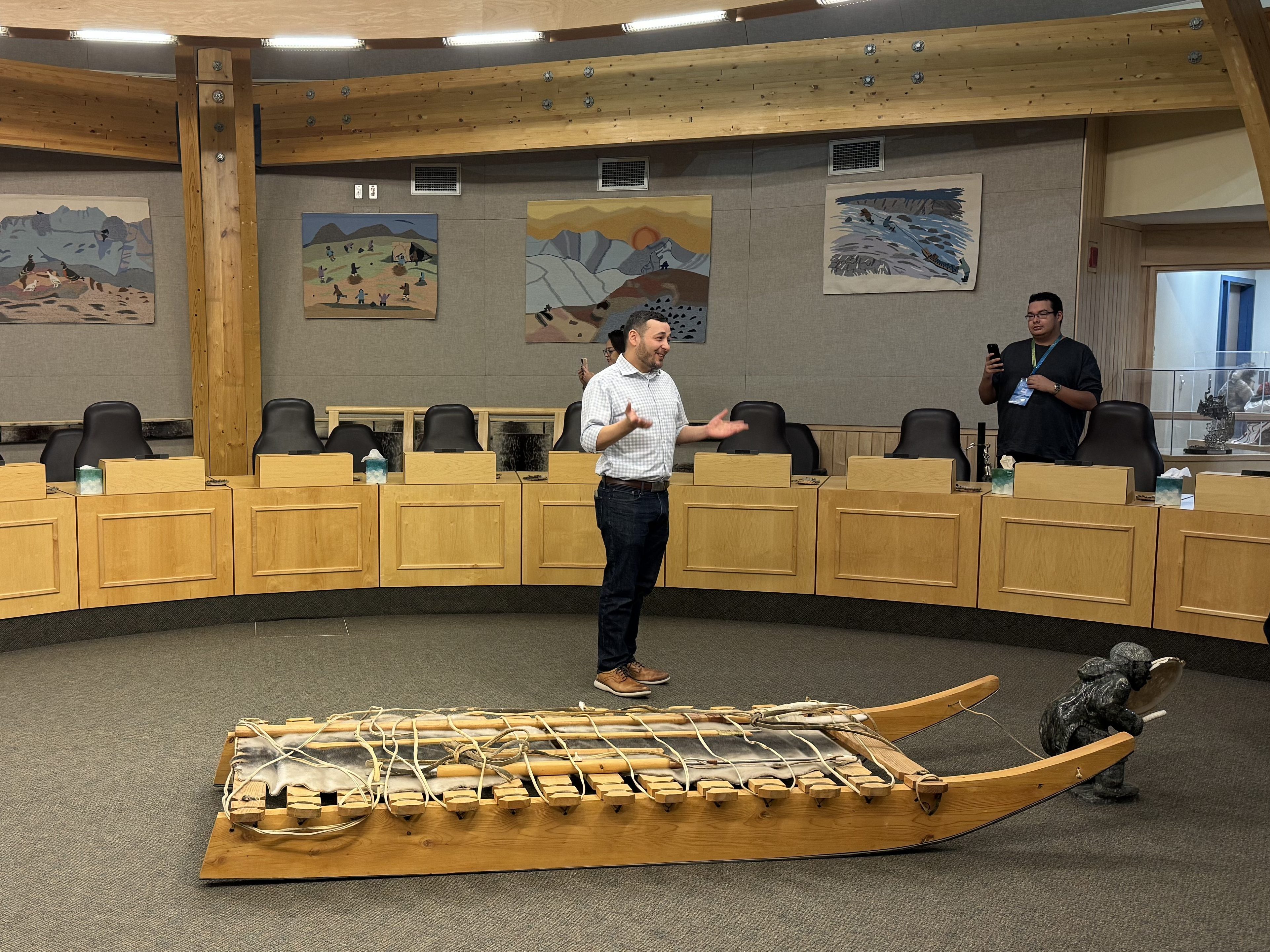
A visit to the Legislative Assembly offers a fascinating glimpse into Nunavut’s unique governance. Established on April 1, 1999, Nunavut is the first Canadian territory with a majority Indigenous population and a consensus-style government that reflects traditional Inuit values of collective decision-making. Guided tours are offered daily during the summer months, and are availible by appointment only from September 1 – June 30.
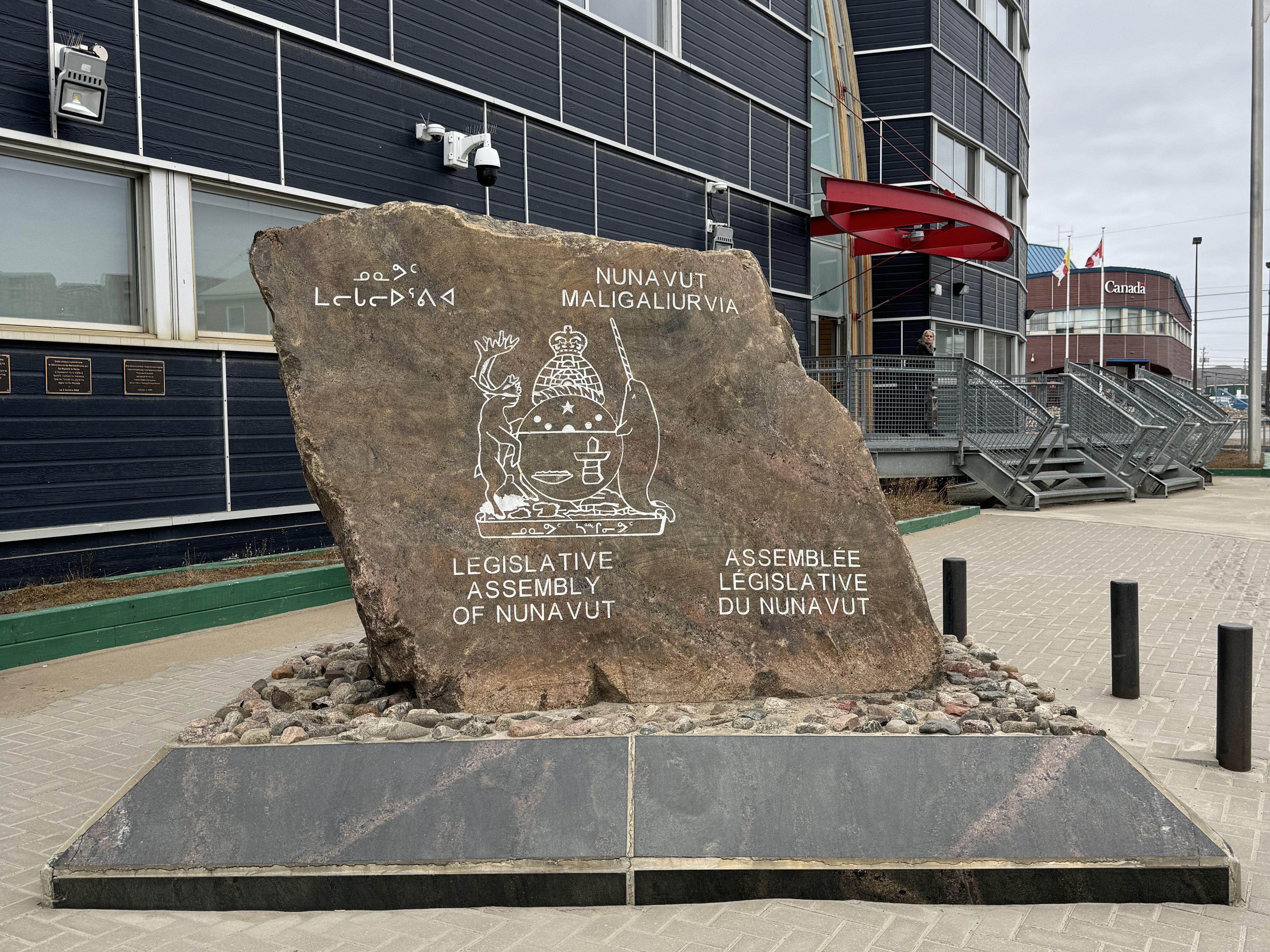
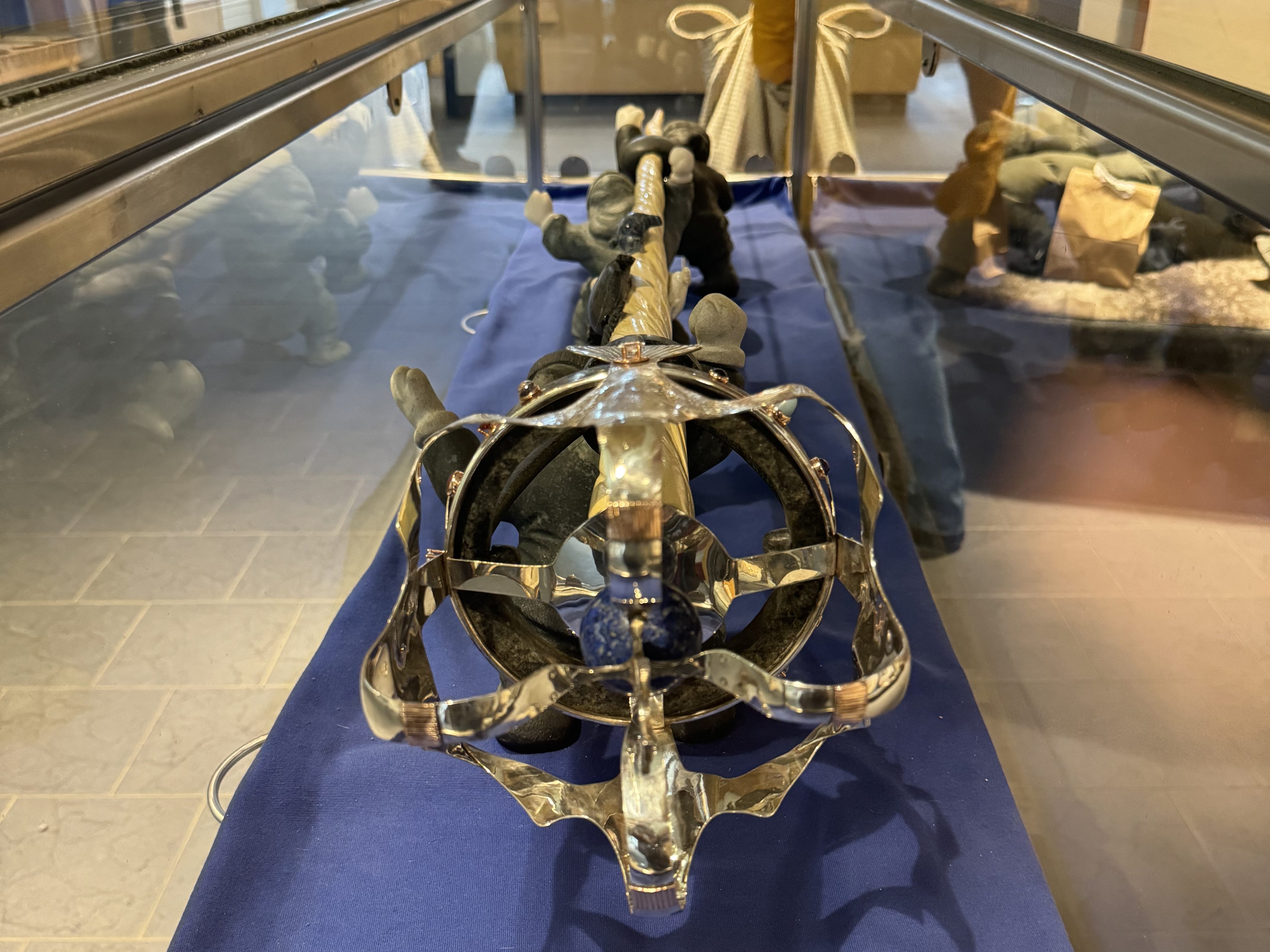
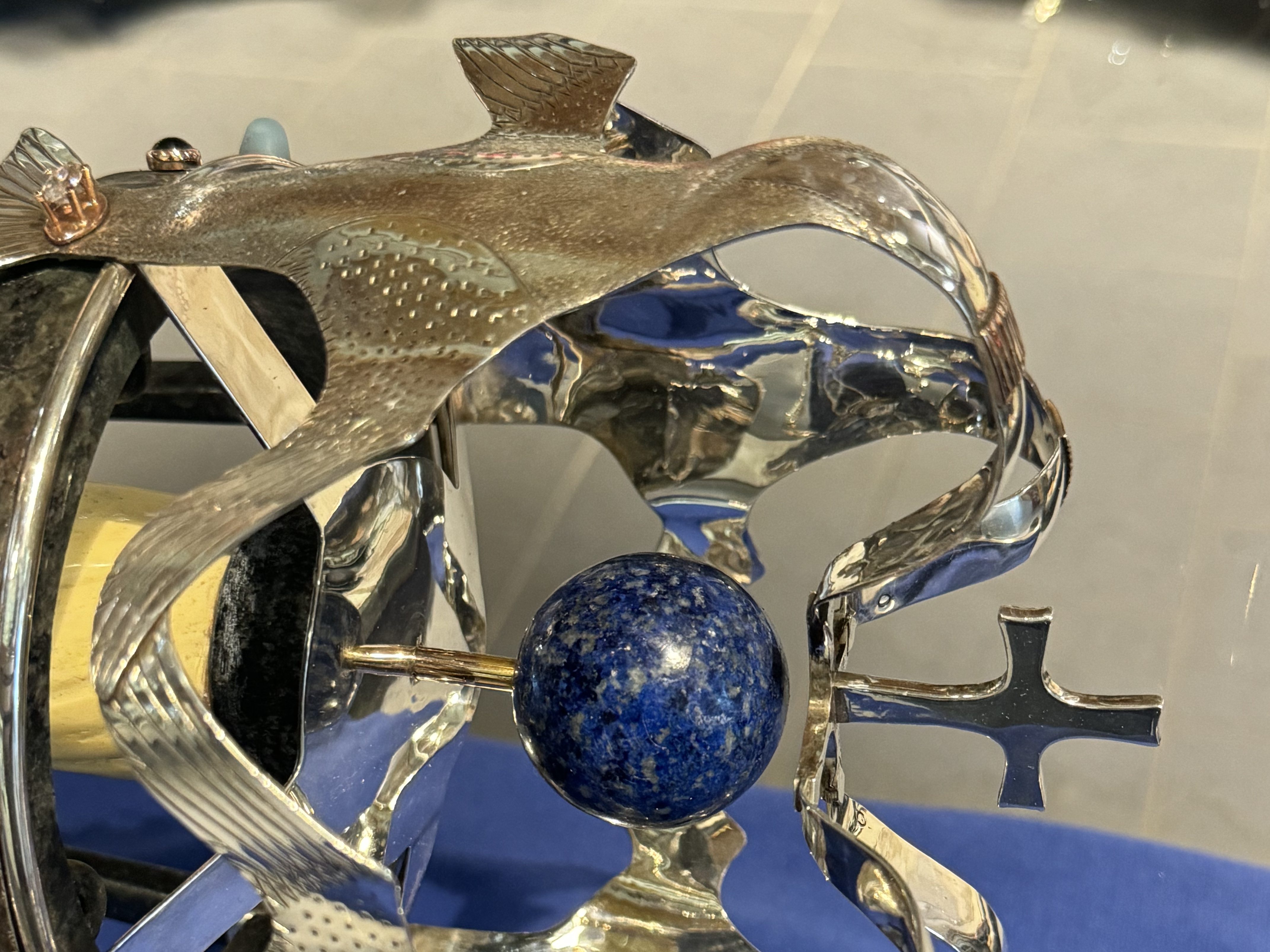
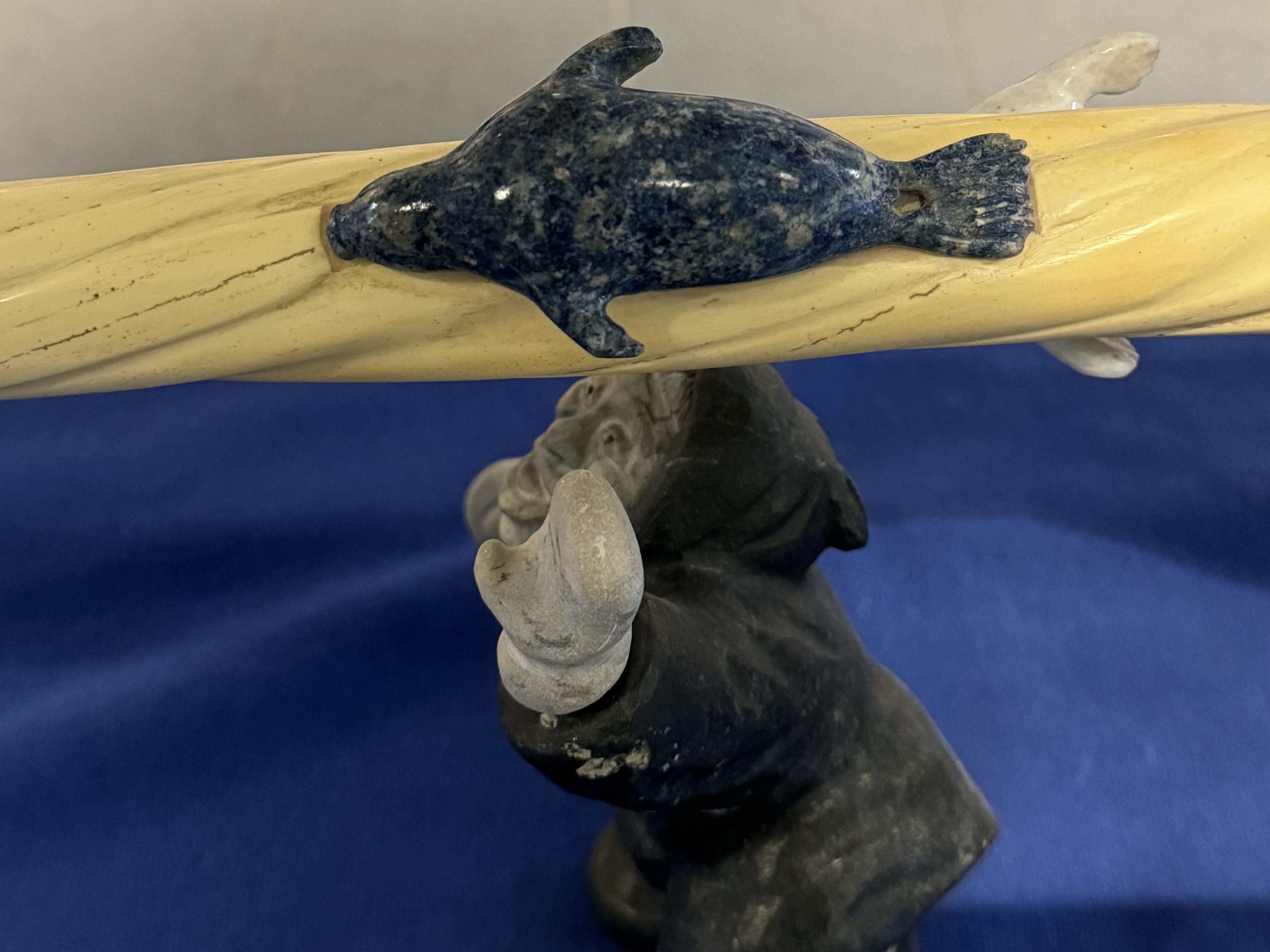
The building itself is a cultural treasure, making it a must-see for history and culture enthusiasts. In the lobby, you’ll find a gallery full of Inuit art, as well as the Mace of Nunavut, a stunning piece carved from narwhal ivory and adorned with materials sourced from across the territory. The chamber is shaped like an igloo (and often referred to as “the people’s igloo”), with walls adorned by Inuit art and seats upholstered in seal skin.
Attend a Festival
Iqaluit’s festivals are a vibrant celebration of Inuit culture.
- Toonik Tyme Festival – Iqaluit’s spring celebration, held every April, highlights Inuit traditions through events such as dog sled races, igloo building, seal skinning, and cultural performances.
- Alianait Arts Festival – Held in late June and early July, this festival features Inuit music, throat singing, storytelling, and contemporary Indigenous performances. Artists from Nunavut and around the world showcase music, theatre, circus acts, and visual art.
Explore Public Art
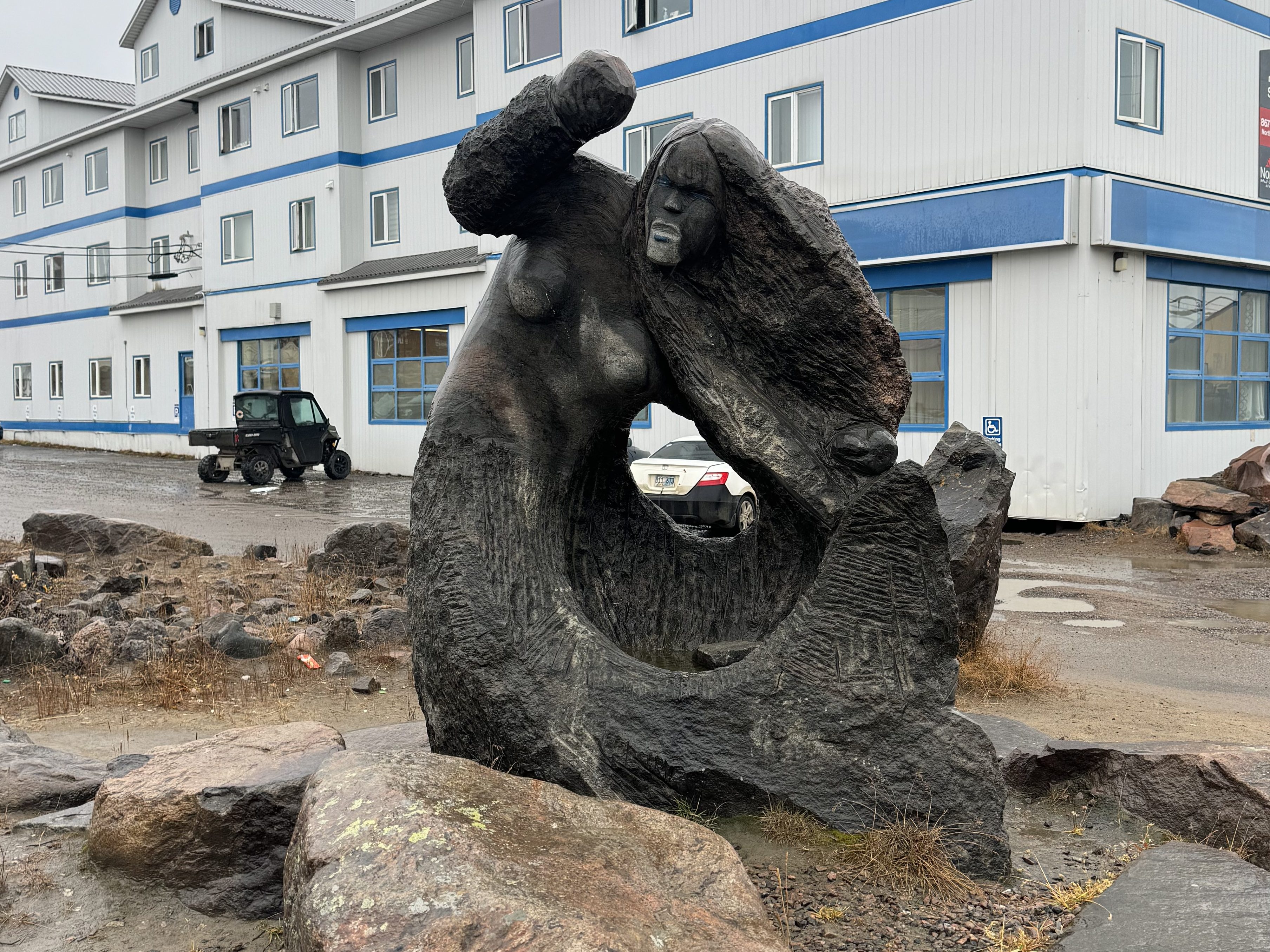
Iqaluit’s art scene is a testament to its rich cultural heritage. Wander the city to discover public carvings, murals, and the Inuit stone sculpture park behind the local sculpting school. The Qikiqtani General Hospital is another highlight, surrounded by murals that celebrate Inuit art and culture.

Connect with the Land
For outdoor enthusiasts, Iqaluit offers stunning hiking, fishing, snowmobiling opportunities:
- Tikippugut Inc. – Book an expedition with Tikippugut Inc., a 100% Inuit-owned company. Their local guides share traditional knowledge while leading activities like snowmobiling, boating, fishing, hiking, and northern lights viewing. It’s an unforgettable way to connect with the land and its people.
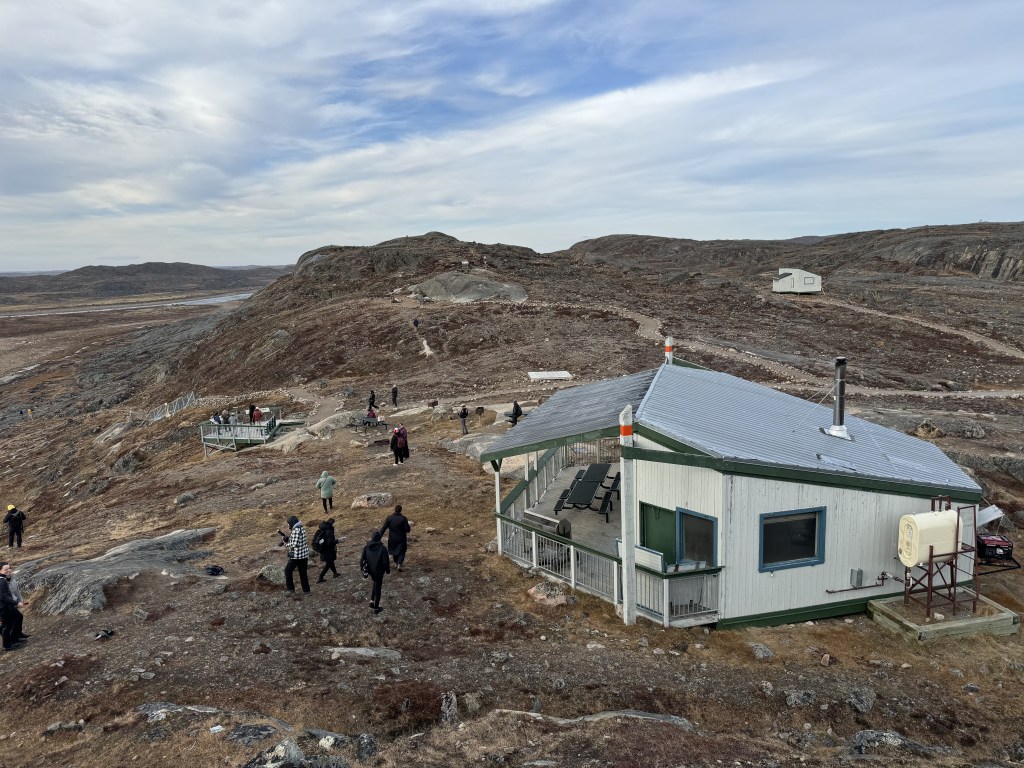
- Iqaluit Kuunga (Sylvia Grinnell) Territorial Park – Located within city limits, this park is perfect for picnics, hiking, and fishing. The Sylvia Grinnell River, teeming with Arctic char, is believed to be the original summer fishing camp that led to the founding of Iqaluit.
- Qaummaarviit Territorial Historic Park – A short trip from Iqaluit, this island offers a glimpse into Thule culture through archaeological artifacts. The name “Qaummaarviit” means “the place that shines” in Inuktitut. Contact Tikippugut Inc. to arrange a trip to this unique historical site.
Taste of the North
Inuit culture is deeply connected to the land, and country food—game meats, fish, and foraged fruits—plays a central role. In Iqaluit, you can sample these traditional foods at local restaurants and stores:
- Aqsarniit Restaurant – Located inside the Aqsarniit Hotel, this restaurant serves regional fare made with locally sourced, sustainable ingredients. Try country foods such as caribou meatballs or Arctic char, a flavorful fish that blends the richness of salmon with the sweetness of trout.
- Sijjakkut – A 100% Inuit-owned culinary tourism venture founded by Chef Sheila Flaherty, the first Inuk chef to appear on MasterChef Canada. Sijjakkut emphasizes preserving and promoting Inuit culture through harvested and hunted foods.
- Kaapitaarvik – Stop by this Inuit-owned coffee shop for a cup of Kaapittiaq, the world’s only Inuit-produced coffee.
- Beaver Tails – Don’t miss the northernmost location of this Canadian classic, serving fried dough pastries at the Arctic Winter Games Arena. This Inuit-owned franchise is a delicious way to enjoy a treat while supporting local business.
Take a Piece of the North Home
Nunavut has more artists per capita than anywhere else in the world.
- Carvings Nunavut – A 100% Inuit-owned gallery with one of the world’s largest inventories of authentic Inuit art.
- Malikkaat, Ltd. – A boutique offering traditional Inuit tools, carvings, prints, seal skin products, and books, owned by Eva Aariak, the Commissioner of Nunavut.
- Northern Collectables – An Inuit owned gallery with over 1000 pieces, specializing in Inuit art from the 1950s to the present.
- Nunatta Sunakkutaangit Museum – Find locally made soapstone carvings, prints, jewelry, and crafts.
- Uasau Soap – A family-owned business offering sustainably sourced Indigenous soaps made using traditional Inuit practices and local ingredients like whale blubber and seal oil.
- Local Artist – It is common for artists to approach visitors in restaurants, on the streets, or in hotel lobbies. Avoid haggling, as many artists rely on their craft to support their families in this expensive region. Most already offer lower prices than galleries or gift shops.
Final Thoughts
Iqaluit is more than a destination—it offers an unforgettable experience filled with rich Inuit culture, breathtaking Arctic landscapes, and incredible northern hospitality. Whether you’re hiking through Sylvia Grinnell Park, tasting traditional country food, or supporting local artisans, your visit to Iqaluit will leave you with a deeper appreciation for the resilience and beauty of the North.


 Echoes of Ethan
Leave a comment