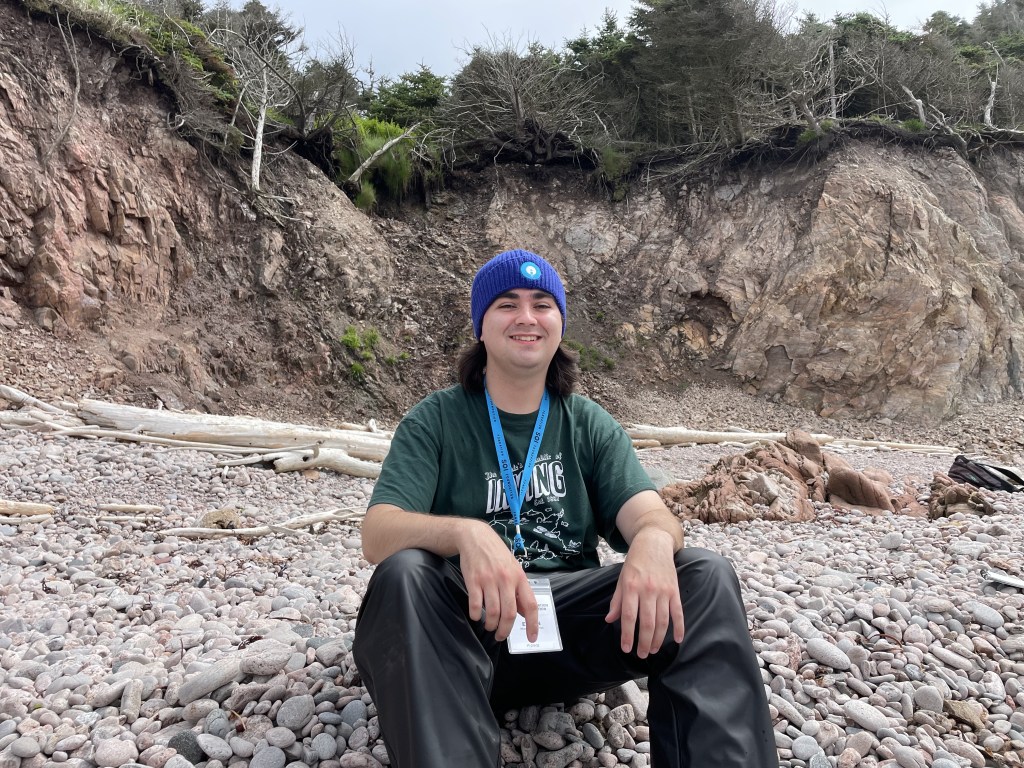
St. Paul Island is an uninhabited island located in the Cabot Strait, approximately 24 km northeast of Cape North on Cape Breton Island and 71 km southwest of Cape Ray on Newfoundland.
A Protected and Significant Natural Area
Recently, St. Paul Island was designated as one of Canada’s newest National Wildlife Areas (NWA), a status granted under the Canada Wildlife Act to protect habitats of national significance for wildlife conservation, research, and interpretation (Canada Wildlife Act – St. Paul Island NWA). Additionally, it is recognized as an Important Bird Area, primarily due to its role in supporting 1% of Canada’s breeding population of Bicknell’s thrush, a species listed as threatened under the Species at Risk Act (SARA).

My Visit to St. Paul Island
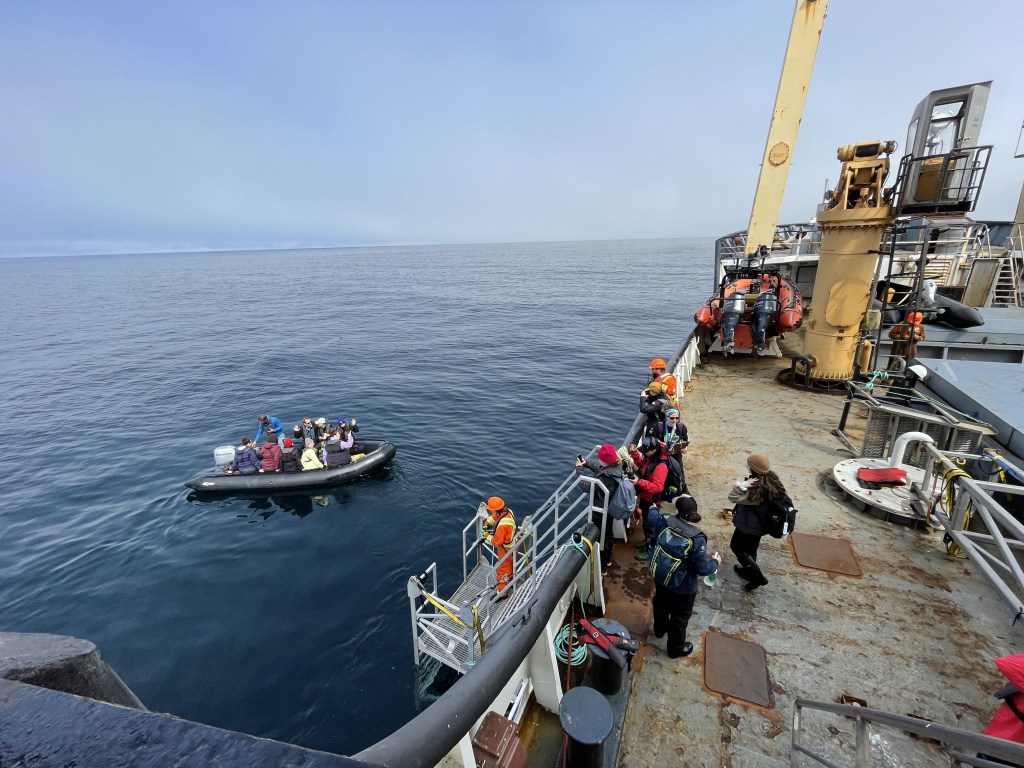
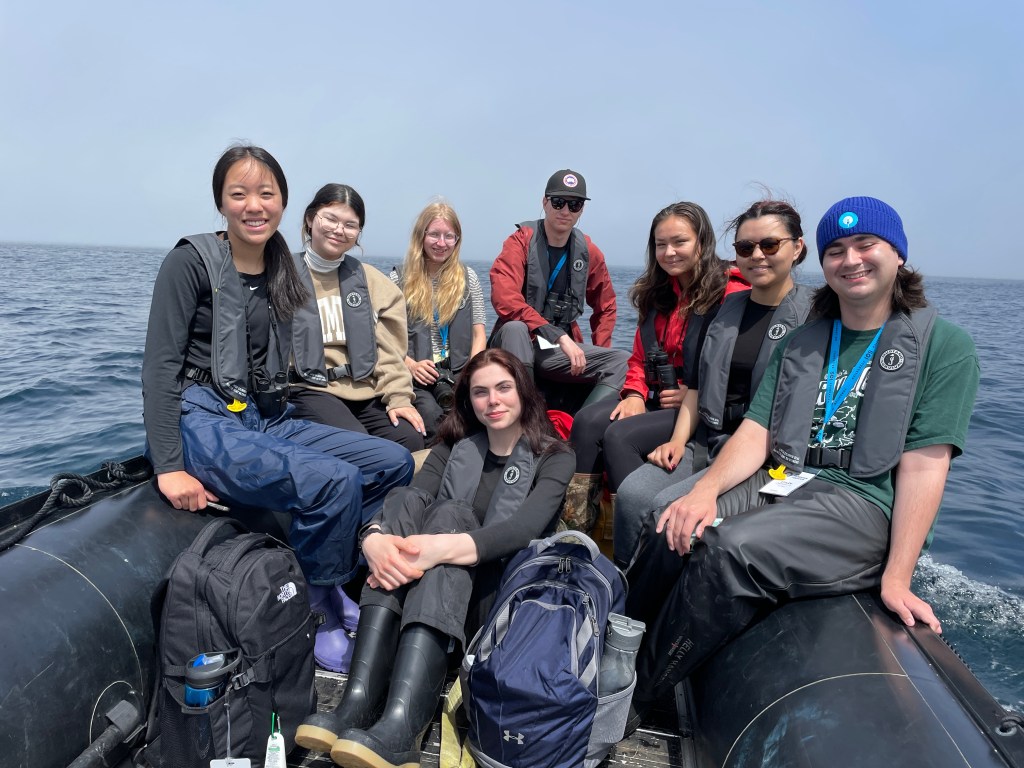
In the summer of 2022, I had the opportunity to visit St. Paul Island as part of the Students On Ice Cape Breton & Sable Island Expedition. On the second day aboard the Polar Prince, we arrived off the island’s coast. From the ship, shrouded in early morning fog, we boarded a Zodiac and made our way to shore.
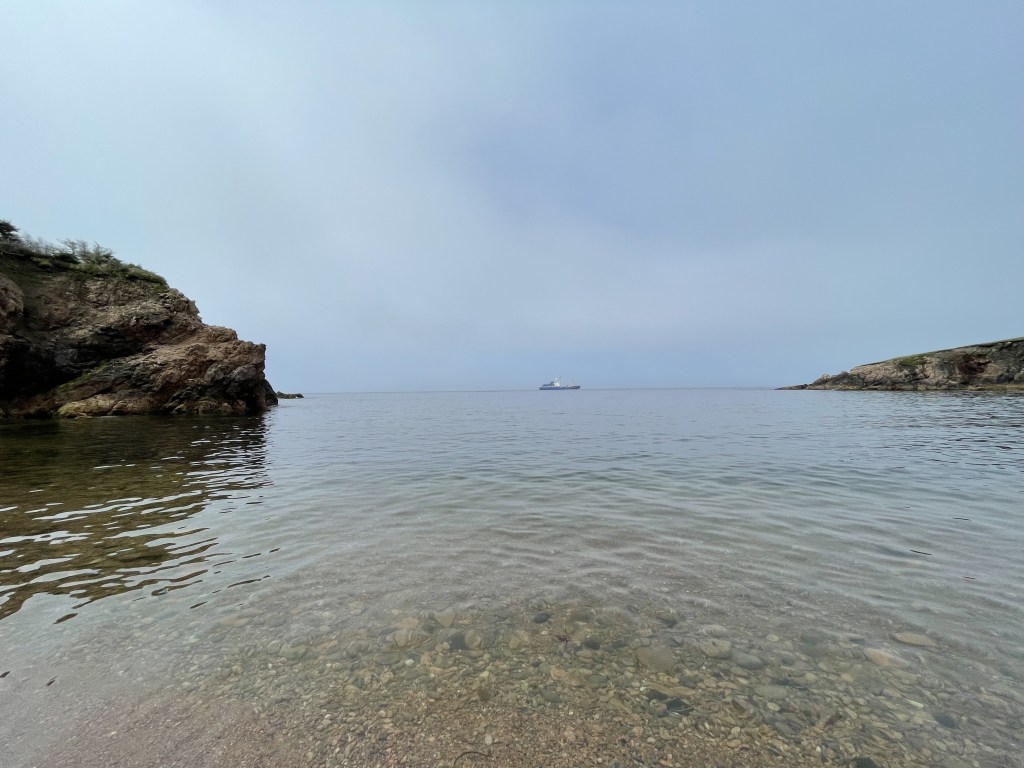
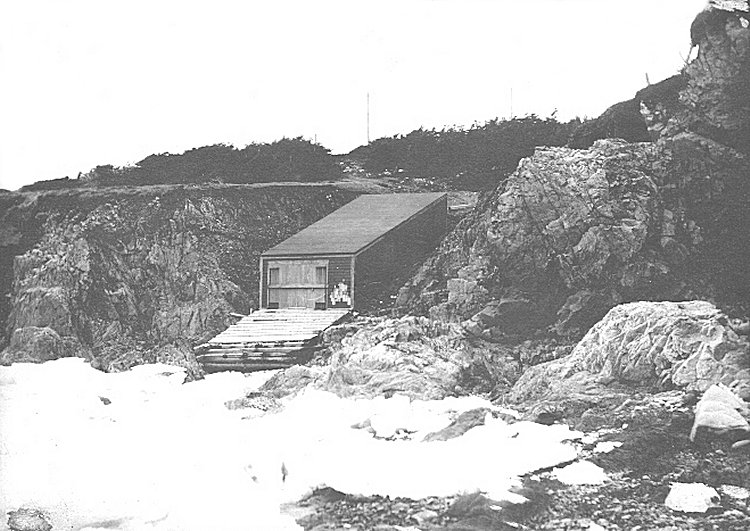
We landed at Trinity Cove, on the island’s western side. This cove was once the site of a life-saving station, as St. Paul Island has long been known as “The Graveyard of the Gulf.” Its rugged terrain and location within a critical shipping route have led to over 300 documented shipwrecks. In earlier times, shipwreck survivors who managed to reach the island often perished due to its uninhabited nature. In the spring, fishermen from the mainland would find frozen bodies huddled in crude shelters, waiting for help that never arrived.
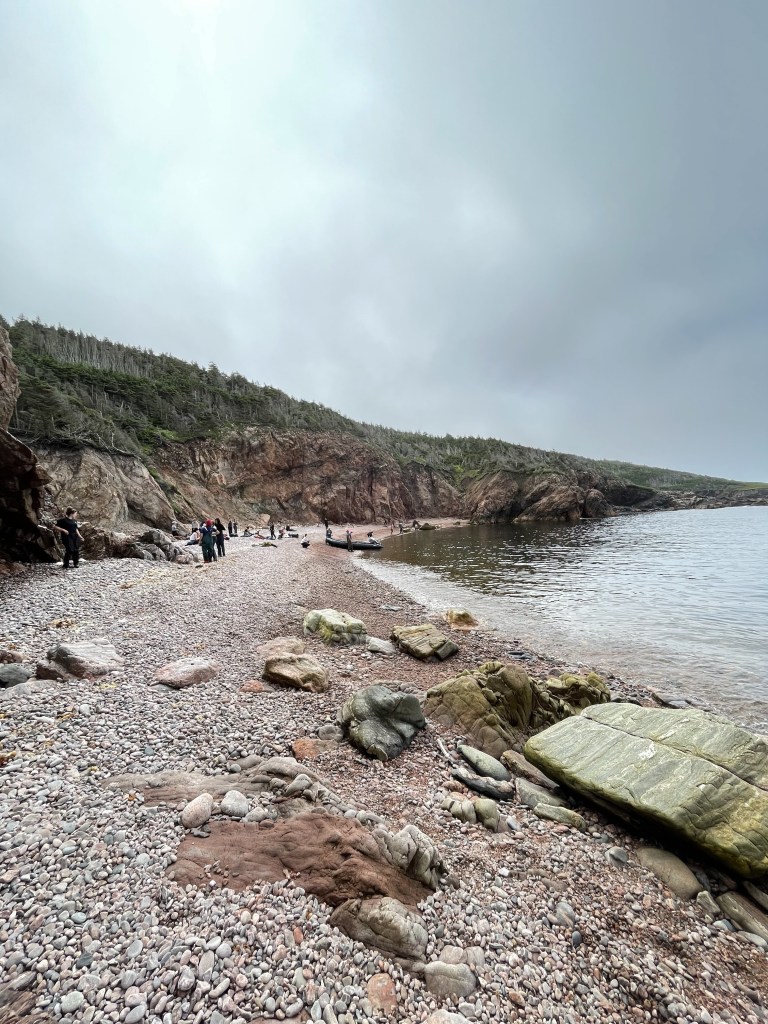

To address these tragedies, the Nova Scotia government placed a frame house and provisions on the island in 1831 to aid shipwreck victims. After they erected the house, workers began to cut a road across the Island and discovered that the New Brunswick government had also established a life-saving station on the western shore, staffed by two families—neither government had been aware of the other’s efforts.
Learning from Experts
While on the island, expedition team members led workshops on its unique ecosystem. Katrina, a research scientist at the Canadian Museum of Nature, conducted a seine net workshop, capturing juvenile sculpins, rock gunnels, jellyfish, comb jellies, amphipods, and algae.
Peter Croal, a geologist and Fellow of the Royal Canadian Geographical Society, shared insights into the island’s geological history. St. Paul Island is an extension of the Appalachian Mountains, which formed 480 million years ago when North America and North Africa collided. These mountains once rivaled the Himalayas in height but have since eroded. Today, the Cape Breton Highlands and St. Paul Island remain as remnants of this ancient range.

A Personal Connection
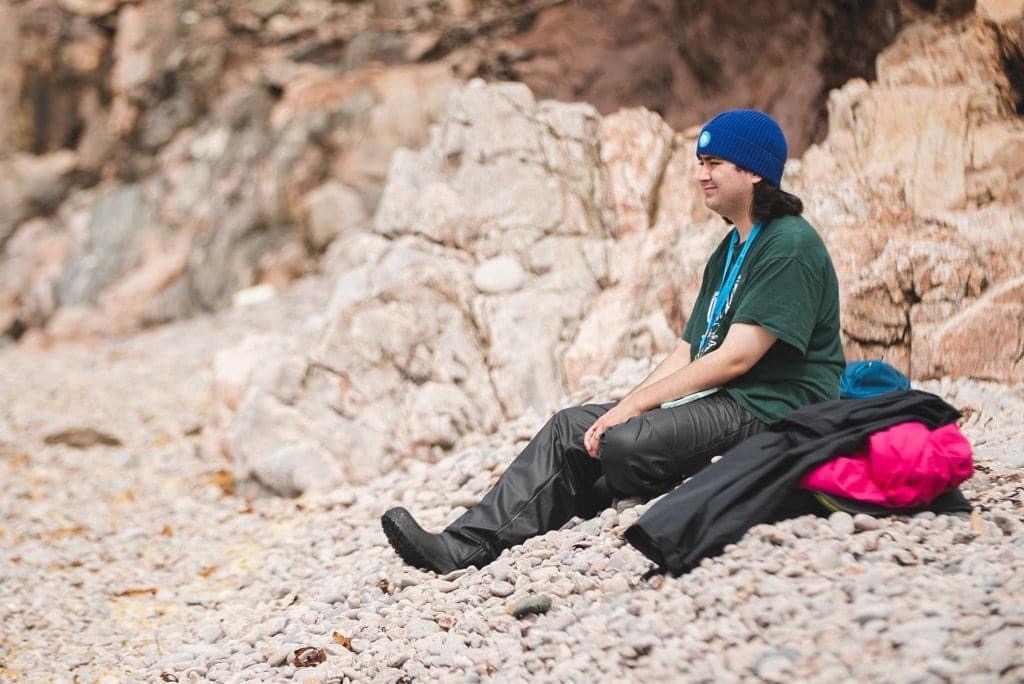
For me, the most meaningful part of the visit was sitting on the shores of the island, reflecting on its historical significance to my Mi’kmaq ancestors. Traditionally, this place, known as Kiwkto’qi Mnikuk in Mi’kmaq, meaning “Round Island,” served as a resting point for my ancestors as they traveled by birchbark canoe across the Cabot Strait from Unama’ki (Cape Breton Island) to Newfoundland to reach their traditional hunting grounds.
How to Visit St. Paul Island
Charter a Boat
To visit St. Paul Island, you can charter a trip with Cape Breton Northern Tip Charters. Their vessel, the Charles B, a 41-foot Cape Island-style refurbished fishing boat, is captained by seasoned local fisherman Scott Burton.
When to Visit
From April 1 to August 31, access to St. Paul Island is restricted without a permit to protect nesting seabirds and preserve the Critical Habitat of the SARA-listed Bicknell’s thrush. However, from September 1 to March 31, visitors can engage in certain activities—such as hiking, wildlife viewing, and non-commercial picking of edible plants and mushrooms—without a permit. For more information on access and permits, contact the Environment and Climate Change Canada regional office.
Can’t Make It to St. Paul Island?
If you can’t visit in person, here are other ways to explore St. Paul Island’s rich history and landscape:
- Visit the St. Paul Island Museum & Lighthouse – Learn about the island’s shipwrecks, lighthouses, and the people who lived and worked there. Climb the stairs of Canada’s first Heritage Lighthouse for a breathtaking view.
- Explore on Google Maps – You can check out St. Paul Island on Google Street View! During our expedition, Brian Redmond, an independent Google Street View producer and 360 filmmaker, captured our journey with a 360-degree camera, uploading it to Google Maps.



 Echoes of Ethan
Leave a comment